

Okay, so check this out—I’ve been messing with Solana wallets long enough to have opinions. Wow! At first I thought every wallet was basically the same, but then things got interesting when I started shifting serious NFT work over to a browser extension. My instinct said keep it simple, though actually, wait—let me rephrase that: simplicity matters, but so does how the extension integrates with marketplaces, dApps, and your everyday browser flow.
Whoa! Phantom stands out. Seriously? Yep. It’s fast, it feels native in Chrome and other Chromium-based browsers, and onboarding for NFTs is almost painless compared with older wallets. My first impression was “this is slick,” and that stuck. On one hand it looks minimal and friendly. On the other hand it’s packed with security settings that you eventually want to tweak.
NFTs aren’t like fungible tokens. They need previews, metadata, and sometimes lazy minting flows that depend on the wallet to show images and verify ownership. So the wallet being a browser extension changes the game because it sits right where the marketplaces live—your browser. Here’s the thing. When you’re flipping collectibles on secondary markets you don’t want to be juggling mobile wallets, QR codes, and copy-paste addresses. You want a fast popup that signs calmly and securely.
I’m biased, but the flow matters more than flashy features. (oh, and by the way…) If a wallet makes you click through twelve prompts just to view metadata, you’ll stop using it. I learned that the hard way—lost a bid because I fumfered with confirmations. My bad.
Phantom nails many of those flow problems. It injects directly into web pages, recognizes token metadata, and displays art thumbnails in the UI so you feel like you’re actually handling collectibles. Initially I thought that was fluff, but then I sold an NFT faster because I could confirm the sale immediately from the extension. That moment felt like magic.
Download from the official source only. Really. There are fakes out there. If you need a quick place to start, get the official phantom wallet extension here: phantom wallet. Short sentence. Now breathe.
Okay, so check this out—after installing, seed phrase handling is the tightest security step. Don’t store your phrase in cloud notes. Don’t take a screenshot. My gut told me that storing it locally is safer, and in my setup I use an encrypted hardware device for the seed. On the other hand, many hobbyists keep a cold backup on paper, and that’s valid too—though honestly, paper can be lost or damaged.
Here’s a tip that bugs me when people skip: set a strong password for the extension and enable any biometric unlock your browser supports. It adds another layer without slowing you down. Also, export your public addresses for marketplaces; it’s handy and not a security risk.
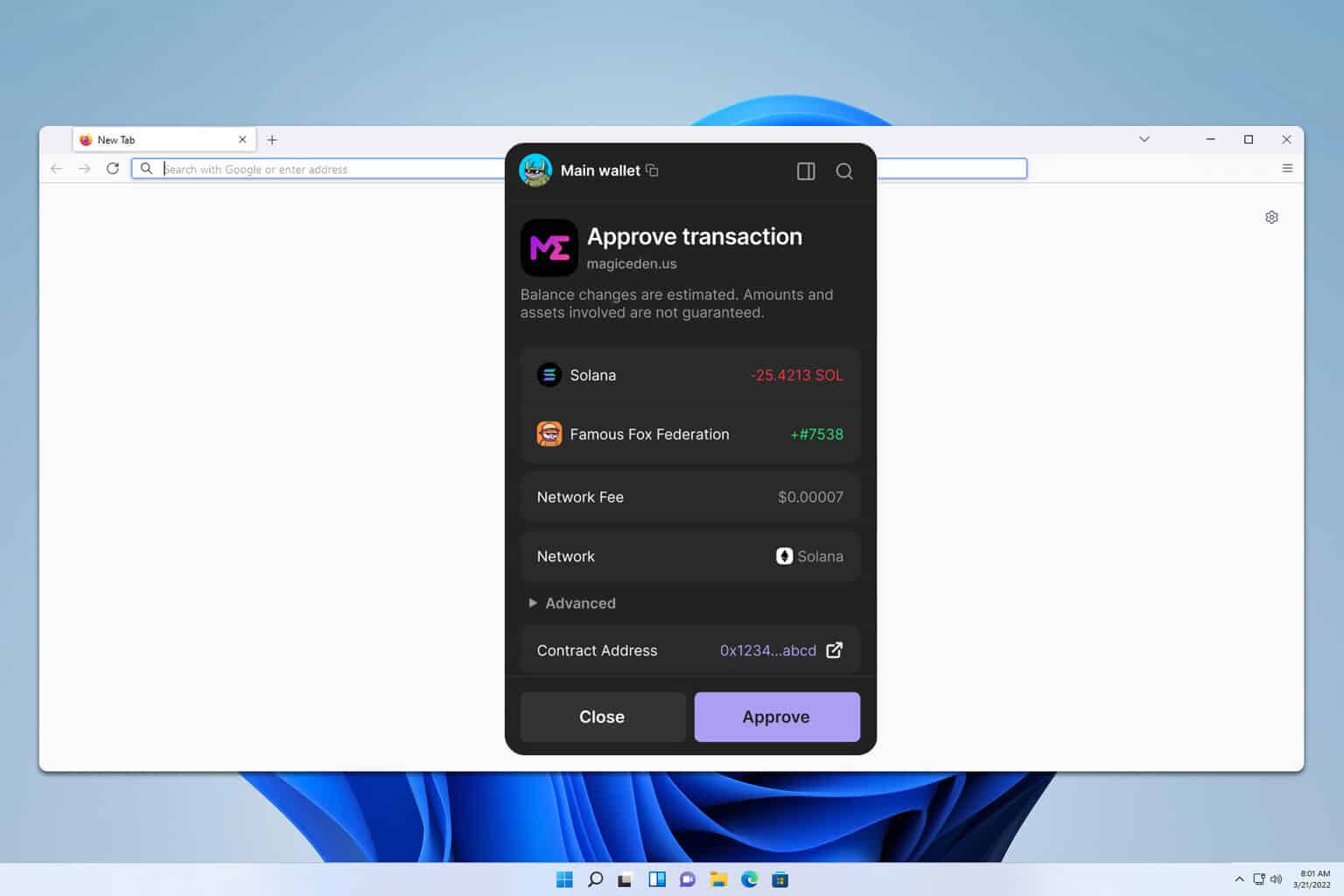
Using Phantom for NFTs is—mostly—smooth. When a marketplace asks for a signature, Phantom pops up with clear info about what you’re signing. This is crucial because signatures can authorize transfers or actions beyond a simple sale. My instinct said trust the UI, but then I learned to read the signature details. On one hand the UI abstracts complexities nicely though actually you should still glance at the transaction summary.
Something felt off about some listings where metadata didn’t load. That’s a marketplace issue, not the wallet. Still, a good wallet will show you as much as it can and gracefully handle missing images. Phantom’s NFT gallery gives a nice snapshot, and the extension caches art so you’re not staring at broken links if the host is slow.
Transaction speed on Solana is a major perk. Fees are tiny. That changes behavior—people make micro-transactions and experiment more. I made a few low-cost purchases just to test royalties and the results were clear: fast confirmations mean fewer lost opportunities.
Okay, quick reality check. No extension is risk-free. Extensions have privileged access to the pages you visit, and that can be abused by malicious sites. So I use a separate browser profile dedicated to crypto activity. It’s a little extra effort, but it reduces risk. I’m not 100% sure everyone needs to do that, though it helped me avoid cross-site issues when testing shady marketplaces.
On one hand hardware wallets add protection. On the other hand they can be annoying for daily low-fee trades. A compromise: keep high-value assets on a hardware-compatible wallet and use Phantom for frequent interactions. That hybrid approach has saved me some gray hairs.
And hey—phishing is everywhere. Double-check domain names and never approve transaction prompts you didn’t expect. If something asks for collection-wide approvals, pause. Seriously, take the time to revoke approvals periodically from the settings or via a contract-approval manager.
If you’re a creator minting collections, Phantom’s dev tools and integration with Solana dev kits help speed up workflows. There’s an initial learning curve. Initially I thought all publishing problems were on the contract side, but then I realized that wallet metadata handling and off-chain storage are equally important.
Want faster listing? Pre-sign approvals where safe, but don’t grant sweeping allowances to unknown contracts. Consider lazy-mint strategies if you want to reduce upfront costs for buyers, but plan metadata hosting carefully—immutable URIs and decentralized storage reduce long-term risk of broken art links.
For collectors: use the gallery to audit provenance and consider setting up alerts for secondary listings of specific creators. It’s not built-in everywhere, but combining Phantom with a small toolkit and a watchlist is very effective. I’m a bit old-school and keep a spreadsheet for high-value items. Old habits die hard.
Yes, when used properly. Phantom implements robust security for private keys and signatures, but you must avoid phishing sites, use strong local protection, and consider hardware backups for high-value holdings. Also practice cautious approval habits—don’t blindly sign everything.
Yes. Phantom supports Chromium-based browsers and some others, but install only from the official source and use separate profiles for added security. Syncing keys across devices should be done via secure seed management, not cloud backups.
Metadata loss happens if the storage host fails. If the collection used decentralized storage like Arweave or IPFS it’s more resilient. If not, contact the creator or marketplace and check archived metadata where possible. Regular backups of token URIs help collectors avoid surprises.