

Innovative Features in kostenlosen Casinos ohne Anmeldung, die das Spielen verbessern
Die Welt der Online-Casinos entwickelt sich rasant, insbesondere im Bereich der kostenlosen Plattformen ohne Anmeldung. Diese Casinos setzen zunehmend auf innovative Technologien und Designansätze, um das Nutzererlebnis zu optimieren. Sie ermöglichen es Spielern, schnell und unkompliziert in spannende Spiele einzutauchen, soziale Interaktionen zu genießen und gleichzeitig hohe Sicherheitsstandards zu gewährleisten. Nachfolgend werden die neuesten Entwicklungen vorgestellt, die das Spielen in kostenlosen Casinos ohne Anmeldung erheblich bereichern.
Inhaltsverzeichnis
- Welche neuen Technologien verändern die Nutzererfahrung in kostenlosen Casinos ohne Anmeldung?
- Wie erleichtern modernisierte Interface-Designs den Einstieg für neue Spieler?
- Welche Features fördern die soziale Interaktion und Gemeinschaftsbildung?
- Welche innovativen Sicherheitsfunktionen schützen Spieler bei kostenlosen Spielen?
- Wie verbessern spielerorientierte Belohnungssysteme das Erlebnis?
- Welche praktischen Vorteile bieten innovative Features für die Spielauswahl?
Welche neuen Technologien verändern die Nutzererfahrung in kostenlosen Casinos ohne Anmeldung?
Integration von Künstlicher Intelligenz zur personalisierten Spielgestaltung
Viele moderne Casinos nutzen Künstliche Intelligenz (KI), um das Spielerlebnis individuell anzupassen. Durch Analyse des Spielverhaltens, Vorlieben und Gewohnheiten können KI-Algorithmen personalisierte Empfehlungen für Spiele, Einsatzhöhen oder Bonusangebote erstellen. Beispielweise passen KI-basierte Systeme die Schwierigkeitsgrade in Slot-Spielen automatisch an, um eine optimale Herausforderung zu bieten und die Spielmotivation zu steigern. Wer mehr über innovative Ansätze in der Glücksspielbranche erfahren möchte, findet auf browinner casino weitere Informationen.
Verwendung von Virtual Reality für immersivere Casino-Runden
Virtual Reality (VR) revolutioniert das Online-Glücksspiel, indem es Spielern ermöglicht, in virtuelle Casinos einzutauchen. In VR-Umgebungen können Nutzer echte Tische, Spielautomaten und sogar soziale Interaktionen mit anderen Spielern erleben, als wären sie vor Ort. Die Technologie fördert das Gefühl der Präsenz und erhöht die Spielbindung erheblich. Bereits heute bieten einige kostenlose Casinos einfache VR-Module an, um erste immersive Erlebnisse zu ermöglichen.
Automatisierte Chatbots für schnellen Kundensupport und Spielberatung
Automatisierte Chatbots sind inzwischen aus dem Online-Gaming-Alltag kaum wegzudenken. Sie bieten schnelle und 24/7-Verfügbarkeit für Spieleranfragen, technische Probleme oder Spielberatung. Durch den Einsatz von KI können Chatbots natürliche Sprache verstehen und gezielt auf individuelle Bedürfnisse eingehen. Das beschleunigt Support-Prozesse erheblich und sorgt für eine nahtlose Nutzererfahrung ohne Wartezeiten.
Wie erleichtern modernisierte Interface-Designs den Einstieg für neue Spieler?
Benutzerfreundliche Navigation und intuitive Menüführung
Ein klares und minimalistisches Design trägt dazu bei, dass sich neue Nutzer schnell zurechtfinden. Viele Casinos setzen auf einfache Navigationsleisten, verständliche Symbole und klare Kategorien. So finden selbst unerfahrene Spieler auf Anhieb ihre Lieblingsspiele oder spezifische Funktionen, was die Hemmschwelle zum Einstieg senkt.
Responsive Designs für mobile Endgeräte ohne Qualitätsverlust
Da immer mehr Nutzer mobile Geräte zum Spiel nutzen, sind responsive Designs essenziell. Moderne Casinos optimieren ihre Plattformen für Smartphones und Tablets, sodass alle Inhalte ohne Qualitätsverlust angezeigt werden. Dies ermöglicht eine unterbrechungsfreie Spielerfahrung, egal ob auf dem Desktop, Smartphone oder Tablet.
Visuelle Anpassungsoptionen für individuelle Nutzerpräferenzen
Viele Plattformen bieten Einflussmöglichkeiten auf das Layout, Farbschemata oder Schriftgrößen. Nutzer können das Interface an ihre Vorlieben anpassen, was die Bedienbarkeit verbessert und den Komfort erhöht. Insbesondere bei längerem Spielen trägt dies zu einer ermüdungsfreien Erfahrung bei.
Welche Features fördern die soziale Interaktion und Gemeinschaftsbildung?
Integrierte Chat-Funktionen und Live-Streams
Social Features sind in modernen kostenlosen Casinos kaum mehr wegzudenken. Integrierte Chat-Fenster erlauben es Spielern, sich während des Spiels auszutauschen. Ergänzend bieten manche Plattformen Live-Streams von echten Dealern oder Turnieren an, bei denen Nutzer gemeinsam teilnehmen können. Dadurch entsteht ein Gemeinschaftsgefühl, das das Spielerlebnis erheblich bereichert.
Gemeinschaftliche Turniere und Wettbewerbe ohne Anmeldung
Viele Casinos veranstalten regelmäßig Turniere oder Wettbewerbe, bei denen Spieler ohne vorherige Anmeldung teilnehmen können. Diese Events fördern den Austausch und die Wettbewerbsfähigkeit. Belohnungen, Punkte und Ranglisten motivieren Nutzer, aktiv zu bleiben und andere zu treffen.
Belohnungssysteme für aktive Community-Mitglieder
Pointsysteme oder Badge-Programme honorieren Engagement, z.B. durch das Schreiben von Kommentaren, das Teilen von Spielen oder die Teilnahme an Community-Events. Dies stärkt die Bindung und fördert einen nachhaltigen Austausch innerhalb der Spielgemeinschaft.
Welche innovativen Sicherheitsfunktionen schützen Spieler bei kostenlosen Spielen?
Blockchain-Technologie für transparente Transaktionen
Einige Casinos integrieren Blockchain oder ähnliche dezentrale Systeme, um Spieltransaktionen transparent und fälschungssicher zu gestalten. Dadurch können Spieler jederzeit die Integrität der Spiele und die Sicherheit ihrer Daten nachprüfen. Blockchain sorgt auch für fälschungssichere Gewinnaufzeichnungen.
Erweiterte Datenschutzmaßnahmen und anonyme Spieloptionen
Da bei kostenlosen Spielen keine Kontoregistrierung notwendig ist, bieten Plattformen Optionen für anonymes Spielen. Zudem setzen sie auf verschlüsselte Verbindungen und datenschutzkonforme Verfahren, um Nutzerdaten umfassend zu schützen.
Automatisierte Betrugserkennung und Spielüberwachung
Moderne Casinos verwenden KI-basierte Systeme zur Überwachung von Spielaktivitäten. Diese erkennen ungewöhnliches Verhalten oder Manipulationsversuche in Echtzeit und schützen so die Integrität des Spiels sowie die Sicherheit der Nutzer.
Wie verbessern spielerorientierte Belohnungssysteme das Erlebnis?
Belohnungskarten und virtuelle Währungen ohne Kontoeröffnung
Anstatt Konten zu erfordern, setzen einige Casinos auf virtuelle Belohnungskarten oder Währungen, die sofort im Spiel verwendet werden können. Diese Elemente steigern den Spielspaß, da keine komplizierten Registrierungsprozesse notwendig sind.
Progressive Bonusangebote für wiederkehrende Nutzer
Durch Bonusprogramme, die sich bei wiederholtem Spielen erhöhen, motivieren Casinos die Nutzer, länger und häufiger aktiv zu bleiben. Diese progressiven Boni sind flexibel und häufig an bestimmte Spiele oder Einsätze gekoppelt.
Gamification-Elemente zur Steigerung der Motivation
Spieler verdienen Abzeichen, Erfolge oder Erfahrungspunkte, die in Rankings oder Sammlungen sichtbar sind. Dieser Ansatz macht das Spielen zu einem spielerischen Erlebnis, das weit über den reinen Nervenkitzel hinausgeht. Gamification steigert nachweislich die Motivation und die Verweildauer der Nutzer.
Welche praktischen Vorteile bieten innovative Features für die Spielauswahl?
Personalisierte Spielvorschläge basierend auf Nutzerverhalten
Algorithmen analysieren das Verhalten der Spieler, um passende Spiele vorzuschlagen. So bekommen Nutzer Empfehlungen, die ihre Vorlieben widerspiegeln statt willkürliche Auswahl. Das spart Zeit und erhöht die Zufriedenheit bei der Spielintention.
Automatisierte Spielanalysen und Tipps
Fortschrittliche Systeme bieten Tools, um die eigenen Spielleistungen zu analysieren. Sie geben Tipps zur Einsatzstrategie oder zur Spielauswahl. Solche Features fördern die Lernerfahrung und helfen Anfängern, ihre Fähigkeiten gezielt zu verbessern.
Augmented Reality-Elemente zur Erweiterung der Spielwelt
Augmented Reality (AR) integriert virtuelle Inhalte in die reale Umgebung. So könnten zukünftige Casinos AR-Features einsetzen, hierdurch werden Spiele noch lebendiger und realistischer. Nutzer könnten beispielsweise reale Tischflächen durch virtuelle Erweiterungen aufwerten und so noch tiefer ins Spiel eintauchen.
How 1inch Finds the Best Swap: Mechanisms, Myths, and Practical Trade-offs for US DeFi Users
Imagine you need to swap $5,000 worth of USDC for ETH on a congested Ethereum day. You open a wallet, run a swap through a single DEX and watch fees and slippage eat a meaningful slice of your capital. What would you do differently if you could split the order, route parts through several pools, shield the trade from front‑running, and — in some modes — not pay gas at all? That is the practical problem 1inch set out to solve, and understanding how it does so changes how you should approach medium‑to‑large swaps in the US market today.
This commentary breaks down the mechanisms behind the 1inch aggregator, its routing and protection features, and where users should be skeptical. You will leave with a working mental model of Pathfinder routing, Fusion Mode vs Classic Mode, Fusion+ cross‑chain swaps, and the operational boundaries that still matter—especially gas exposure, MEV risk, and liquidity fragility. I close with decision heuristics you can use the next time you prepare a swap.

How 1inch’s routing actually works: Pathfinder and split‑order mechanics
At the center of 1inch’s value proposition is Pathfinder, a routing engine that treats a swap as an optimization problem. Instead of sending the entire order to a single liquidity pool, Pathfinder evaluates price across many pools and chains and then splits the trade into smaller legs. Each leg is chosen to trade where the marginal price impact is lowest after accounting for slippage and transaction cost. Mechanically, this reduces price impact because smaller child orders move the pool less; conceptually, it borrows a standard idea from execution algorithms used in traditional finance (TWAP/VWAP) but executed atomically on‑chain.
There are three trade-offs built into this design that matter in practice. First, splitting an order increases the number of on‑chain interactions, which can raise gas costs in Classic Mode; the routing algorithm internalizes that possibility by estimating gas and including it in the objective. Second, spreading liquidity reduces price impact but can encounter thin pools or stale prices—Pathfinder relies on up‑to‑date on‑chain state and off‑chain indexing; when those signals lag, optimal splits are mispriced. Third, cross‑DEX routing can aggregate fees across venues; the algorithm compares net result after fees, not just raw prices.
Fusion Mode: gasless swaps, MEV protection, and who pays for execution
Fusion Mode changes the economic framing of swaps. Instead of the user paying the on‑chain miner/validator gas, specialized market makers called resolvers front the transaction costs and execute trades, with the expectation they will capture compensation via an engineered mechanism. Practically for US users: Fusion Mode can make medium‑sized swaps cheaper and safer against front‑running because it also deploys a Dutch auction and order bundling to neutralize some types of MEV (miner or Maximal Extractable Value) attacks.
That design creates clear payoffs but also exposes users to new dependence on the resolver market. Resolvers are professional actors with incentives to execute many profitable trades; if their capital, risk models, or appetite changes, gasless offers can become scarce or more expensive. Fusion Mode reduces direct gas exposure, but it does not wholly remove counterparty economics—resolvers still need to be compensated and their incentives can shape execution timing and availability. In short: gasless != free in the broader economic sense.
Security architecture and boundaries: non‑upgradeable contracts and remaining risk
1inch emphasizes non‑upgradeable smart contracts and formal verification. The logic is straightforward: remove an admin key and you remove a class of catastrophic risk (admin‑exploits). That is a material security improvement, but it is not a panacea. Non‑upgradeable contracts are immutable; a discovered flaw cannot be patched in place without complex migration. Audits and formal proofs reduce the probability of bugs, but they do not eliminate human error or emergent interactions with other on‑chain systems.
Another boundary: liquidity provider risks. If you supply to an AMM that Pathfinder routes through, you remain exposed to impermanent loss and pool design choices. 1inch optimizes execution for takers seeking best net rates; liquidity providers face separate trade‑offs that routing cannot neutralize.
Cross‑chain swaps: Fusion+ and what “atomic” means here
Cross‑chain swaps are one of the most desirable features for users who hold multi‑chain portfolios. Fusion+ claims to enable self‑custodial cross‑chain swaps by executing atomic operations across networks without conventional bridges. “Atomic” here means the protocol attempts to ensure that either both legs of a cross‑chain exchange occur or neither does—avoiding partial loss. Mechanically, this leverages coordinated resolvers and settlement logic across chains.
That reduces classical bridge‑style risk (where a midpoint custodian fails), but it shifts trust to the cross‑chain coordination mechanism and the liquidity available on both sides. If liquidity is asymmetric or resolvers fail mid‑operation, the system must have explicit fallback and refund logic. Users should treat Fusion+ as a mitigation rather than an elimination of cross‑chain hazards—monitor the status and known limitations before moving large sums.
Common misconceptions — myth vs. reality
Myth: “Aggregator always gives the lowest price.” Reality: Aggregators like 1inch use sophisticated routing, but the “best” price depends on timing, mode, and user constraints. Pathfinder finds a locally optimal split given current on‑chain state and gas estimates; sudden price moves or mempool events can change outcomes between quote and execution. In Fusion Mode you remove gas friction, but you accept resolver dependence. In Classic Mode you may still face high gas costs that make a seemingly cheap quote expensive in practice.
Myth: “Gasless means no economic cost to users.” Reality: Even when users do not pay the gas directly, someone pays. Resolvers expect a return via the execution model; that cost can be embedded in the swap rate, the order flow, or other indirect fees. Measuring total cost of execution requires looking beyond the visible gas label to net received amount versus alternatives.
Practical heuristics for US users deciding how to trade
1) Size matters: for trades under a few hundred dollars the difference among aggregators and modes is often negligible; for larger trades the routing splits and MEV protections matter a lot. 2) Mode selection: prefer Fusion Mode for large taker orders on congested networks when MEV risk is a concern and resolvers are available; prefer Classic Mode for small, rapid trades where paying gas is predictable and simple. 3) Slippage settings: increase your slippage tolerance only when you understand the trade‑off—higher tolerance can improve fill probability but opens you to sandwich attacks in Classic Mode. 4) Use Limit Orders for discrete price targets and OTC‑style executions when you can wait; they remove the time immediacy that attracts MEV predators. 5) For cross‑chain needs, test small atomic Fusion+ swaps first to validate liquidity and timing before committing larger balances.
Where 1inch fits in the aggregator landscape and what to watch next
1inch competes with Matcha (0x), ParaSwap, OpenOcean, and CowSwap, among others. The differentiators are algorithmic routing quality (Pathfinder), Fusion Mode’s gasless and MEV mitigation story, and a wider multi‑chain footprint. Watch two signals in the near term: resolver market health (number, liquidity, and response times of resolvers), and how Fusion+ handles increasing cross‑chain volume. If resolver capacity tightens or cross‑chain coordination encounters stress, users may see higher embodied costs even when gas tags say “free.”
For developers and advanced users, 1inch’s Developer APIs remain a decision point: they permit integrating sophisticated routing without rebuilding the matching engine. For retail US users, the non‑custodial wallet and portfolio tracker give a practical single‑pane view across chains—useful for tax accounting, rebalancing, and spotting exposures in a fragmented DeFi landscape. For more about the ecosystem of apps and utilities around the protocol, see this overview of 1inch’s DeFi apps: 1inch defi.
FAQ
Does Fusion Mode eliminate all MEV risk?
No. Fusion Mode significantly reduces classic mempool‑based front‑running and sandwich attacks by bundling orders and using a Dutch auction model, but it does not erase every form of extractable value. Residual risks include resolver capture of orderflow economics and off‑chain coordination failures. MEV is a category of phenomena; Fusion Mode mitigates important vectors but is not omnipotent.
How should I choose between Classic Mode and Fusion Mode?
Choose based on trade size, urgency, and risk tolerance. Use Fusion Mode when you have larger or MEV‑sensitive trades and resolvers are available. Use Classic Mode for quick, small trades where paying gas is straightforward and you accept visible on‑chain execution. Always compare net received amount after fees and slippage, not just headline prices.
Are 1inch smart contracts upgradeable—can admins change them?
1inch uses non‑upgradeable smart contracts to reduce admin‑key risk, meaning in‑place logic cannot be changed by an admin. This lowers one class of centralized risk but creates the need for careful audits and, if a bug is found, coordinated migration rather than a quick patch.
What is Pathfinder and why does it matter to my swap cost?
Pathfinder is 1inch’s routing algorithm that splits orders across pools to minimize combined slippage, price impact, and (in Classic Mode) gas. It matters because execution price is a function of where marginal liquidity exists; a poorly routed large order can suffer far worse price impact than one routed optimally across many smaller pools.
Final takeaway: treat 1inch as a sophisticated execution layer with clear technical strengths and definable boundaries. It raises the baseline for what decentralized swap infrastructure can do—especially in protecting against certain MEV vectors and reducing apparent gas friction—but it does not eliminate execution economics, liquidity risks, or the need for prudent trade sizing. Use the framework above—assess size, urgency, and MEV exposure—to pick mode and settings, and validate cross‑chain flows with small tests before committing large assets.
In a rapidly evolving DeFi landscape, the measurable improvements in routing and MEV protection are meaningful. Still, users should keep skepticism about “free” execution and always measure net outcome. If you internalize the mechanism—how Pathfinder splits orders, how Fusion assembles off‑chain execution, and where immutability helps or hinders—you will make better, less costly decisions across your DeFi activity.
Why a Desktop Multi‑Asset Wallet with Built‑In Exchange Still Makes Sense in 2026
Whoa! I know, the web is full of flashy mobile apps and browser extensions. But hear me out—desktop wallets are quietly solving problems that most people don’t talk about. My gut said desktops were dying for crypto, but then I started using them again and noticed somethin’ surprising: they offer a level of control and convenience that mobile apps often trade away. Initially I thought the only people who wanted a desktop wallet were traders and power users, but actually—wait—let me rephrase that: regular users who want clearer auditability and simpler multi‑asset management are gravitating back.
Really? Yes. Back up a second. A desktop wallet gives you more screen real estate, which matters when you manage ten or twenty tokens across Ethereum and other chains. You can view transaction history, loan positions, and swap quotes side by side. Also, if you care about cold storage workflows or hardware-wallet integrations, desktops still offer the cleanest paths. I’m biased, but that part bugs me when people dismiss desktop experiences as clunky—there’s nuance here.
Here’s the thing. Multi‑asset support is no longer a novelty. People expect to hold BTC, ETH, and a raft of ERC‑20s in one place. But supporting many assets well is harder than it looks. Wallets must maintain accurate token metadata, keep up with contract updates, and show meaningful balances while preventing token clutter. On one hand, a unified balance view is convenient; on the other hand, it can hide gas fees and per‑chain quirks that bite users later. So a good desktop wallet balances simplicity with transparency—showing fees, pending states, and network selections without scaring newcomers away.
Hmm… I remember the first time I swapped an obscure token on a desktop wallet. The UX showed slippage, route breakdowns, and a clear confirmation screen. I breathed easier. That level of detail isn’t just for show; it’s practical. Traders might appreciate swap routing, but so do regular holders who don’t want accidental approvals. And yes, approvals are a mess—approve once and you’ll regret it later. Seriously? Very very important to question approvals.
Let me tell you about built‑in exchanges. They collapse several steps into one flow: select asset A, choose asset B, compare quotes, confirm. That convenience is intoxicating. But there are tradeoffs. Built‑in swaps often route through aggregators or custodial liquidity providers, which can impact price and privacy. On the flip side, they remove the friction of moving funds between apps or platforms, which reduces user errors and lost crypto. On balance, I prefer wallets that surface the routing and fees plainly, and that allow users to select between multiple liquidity sources.
Okay, so how does Ethereum change the game? Ethereum is not just a token ledger—it’s a programmable platform. That means an Ethereum wallet must do more than show balances. It needs to handle approvals, smart contract interactions, ENS names, NFT displays, layer‑2 management, and gas fee optimizations. I was surprised by how much cognitive load that creates for new users. At first I thought gas abstraction would fix everything, but then I realized that gas tokens, priority fees, and L2 bridges each introduce new UX edges that need smoothing—though actually they also open opportunities for smart defaults.
I’ll be honest—my instinct said users wouldn’t read details about bridging or rollup finality. But a couple of times I watched friends lose a chunk of ETH to a bad bridge UX and that changed my view. So: wallets should gently educate during flow, not spiral into popups and warnings that people ignore. (Oh, and by the way… tooltips that show why a step matters are gold.)
Let’s get practical. If you want a desktop multi‑asset wallet that also gives you built‑in exchange features, look for these capabilities: clear asset list with token details; swap aggregation with routing transparency; hardware wallet support; exportable transaction history; and per‑transaction gas settings with sensible defaults. Also, check whether the wallet supports layer‑2 networks and has easy bridges that explain finality and delay. I keep a checklist like that when testing wallets—maybe that’s nerdy, but useful.
Something felt off about many wallet comparisons I read. They focus on feature lists but skip how those features behave in real use. For example, “supports ERC‑20” is meaningless if the UI floods you with 300 tiny dust tokens after an airdrop. Dust management matters. Same goes for NFT galleries—are they private by default? Do they leak metadata? These details aren’t glamorous, though they affect daily experience.
Check this out—when I helped a friend migrate holdings from a browser extension to a desktop app, the process highlighted differences I hadn’t expected. The desktop wallet allowed me to batch export CSVs and quickly verify contract addresses in a way that made reconciliation painless. That was a relief. It also let me test multiple swap routes offline, then submit transactions sequentially. Small things, big impact.

Where Exodus Fits In
Exodus has been on my radar for years as a multi‑asset, user‑friendly desktop wallet with a built‑in exchange. I used it for certain ETH/ERC‑20 workflows and for straightforward swaps across chains. If you’re looking for an approachable entry point with polished visuals, consider the exodus wallet download—it installs fast and has hardware‑wallet hooks. I’m not saying it’s perfect—no wallet is—but it nails a lot of the convenience layer that converts curious users into actual holders.
On the downside, some purists will point out that built‑in exchanges can be less competitive on price than routing across multiple noncustodial aggregators. True. But for everyday users who value one‑click swaps and a unified ledger view, the tradeoff often makes sense. Personally, I split my activity: active trading on dedicated tools, long‑term holdings on a desktop wallet with clear export and backup options. That separation helps my peace of mind.
Another wrinkle: desktop wallets are excellent if you pair them with hardware devices. I won’t sugarcoat it—pairing a hardware wallet can be a little fiddly the first time. Though actually, the extra step is worth it. If you care about custody, the small friction of a hardware check is a worthwhile insurance policy. Also, the desktop environment tends to play nicer with USB devices than mobile ones, which is a subtle practical benefit.
There are security tradeoffs too. Desktops are more exposed to local malware if you use the same machine for email, browsing, and wallets. That’s obvious, but it bears repeating: practice basic hygiene. Keep OS updates current, isolate your wallet machine if possible, and use hardware seeds for large holdings. I know some people who keep a dedicated laptop for crypto, which is extreme but effective. I’m not 100% sure that’s necessary for everyone, but it works for those who want an extra layer.
Now for the UX nitty‑gritty: confirmations, transaction previews, and historical receipts make a world of difference. When the wallet shows an “Approval to spend token X: 2 years” and the user can toggle to “one‑time approve”, that’s empowering. When the UI hides deadline expiries or gas bump details, that’s when problems happen. So watch for those controls—if a wallet makes them invisible, you’re likely to be surprised at some point.
On the performance side, desktops can index large histories locally, which means search and filtering actually work. That’s useful when you want to audit an address or trace a swap route. Mobile wallets often struggle with that depth of data. And if you’re running light clients or connecting to your own node, a desktop is the easier place to manage those connections—though again, most users will not run a node and that’s fine.
Something else: Windows, macOS, and Linux experiences can differ. I test across platforms because a bug on one OS might not show on another. In one case a macOS build handled hardware signing differently than the Windows build, which surprised me. So if your life depends on the wallet—seriously—test the build on your OS before moving big balances. Small caution, but helpful.
FAQs
Is a desktop wallet safer than a mobile wallet?
Not inherently. Safety depends on your habits. Desktops offer richer integrations (hardware wallets, CSV exports, node connections), but they also share the attack surface of your computer. Use a hardware wallet for large holdings and follow basic security hygiene to stay safer.
Can I manage Ethereum and layer‑2 tokens in one desktop wallet?
Yes. Many modern desktop wallets support Ethereum mainnet and popular layer‑2s, showing balances and enabling swaps. Look for clear L2 indicators and bridge explanations—those are key for avoiding confusion about finality and withdrawal times.
Are built‑in exchanges trustworthy?
They are convenient, but trust varies. Check whether the wallet uses multiple liquidity sources, displays routing and fees, and has transparent terms. For large trades, compare external prices; for small swaps, the convenience often outweighs small price differences.
How to Play Poker at Online Casinos
Playing poker at online casinos can be exciting and rewarding, but if you’re new to the game, it may feel a bit overwhelming. This guide is here to help you understand how to get started, from registration to payment methods. Let’s break it down into simple steps!
How do I register for an online casino?
Registering at an online casino like 31Bets Casino is usually a straightforward process. Here’s how you can do it:
- Visit the Casino Website: Click on the registration button usually found on the homepage.
- Fill in Your Details: You’ll need to provide basic information like your name, email, date of birth, and address. Make sure the details are accurate!
- Verify Your Identity: Some casinos may ask for ID verification to ensure you’re of legal age to play.
- Set Up Payment Methods: Choose how you want to deposit funds. This could be via credit card, e-wallet, or bank transfer.
- Complete Registration: After filling in all required fields, submit your registration. You might receive a confirmation email.
What support is available if I have problems?
Online casinos typically offer various support options to help you. Here’s what you can expect:
- Live Chat: This is often the quickest way to get help. You can chat with a support agent in real time.
- Email Support: You can send your queries via email, although response times may vary.
- FAQs Section: Most casinos have a dedicated FAQ section where you can find answers to common questions.
- Phone Support: Some casinos provide a phone number for direct assistance.
What payment methods can I use to play poker?
When it comes to depositing and withdrawing funds, online casinos typically offer various payment methods. Here’s a breakdown:
| Payment Method | Deposit Time | Withdrawal Time | Fees |
|---|---|---|---|
| Credit/Debit Card | Instant | 1-3 days | Usually Free |
| e-Wallet (e.g., PayPal) | Instant | 24 hours | Usually Free |
| Bank Transfer | 1-3 days | 3-5 days | Varies by bank |
Common Myths about Playing Poker Online
- Myth 1: Online poker is rigged.
Truth: Licensed casinos are regulated and use Random Number Generators (RNG) to ensure fair play. - Myth 2: You need to be a pro to win.
Truth: Beginners can also win with basic strategies and practice. - Myth 3: All online casinos are the same.
Truth: They vary in game selection, bonuses, and support quality.
With this guide, you’re well on your way to enjoying poker at online casinos. Remember to play responsibly and have fun!
Stratégies pour jouer intelligemment en mode solo ou en équipe au casino
Le jeu au casino, qu’il soit en mode solo ou en équipe, requiert une compréhension fine des dynamiques, des probabilités et des comportements humains. La maîtrise de ces éléments permet d’optimiser ses chances de gain tout en minimisant les risques. Dans cet article, nous explorerons en détail les différences clés entre jouer seul ou en équipe, ainsi que les stratégies concrètes adaptées à chaque configuration. Vous découvrirez comment gérer efficacement votre bankroll, utiliser les probabilités, communiquer avec vos partenaires, et adapter vos tactiques selon l’environnement de jeu.
Table des matières
- Différences clés entre le jeu en solo et en équipe au casino
- Techniques de gestion de bankroll adaptées à chaque mode de jeu
- Utilisation des probabilités pour orienter chaque mise
- Communication et coordination efficaces en équipe
- Utiliser des stratégies psychologiques pour influencer le jeu
- Analyser et adapter ses stratégies en fonction de l’environnement
Différences clés entre le jeu en solo et en équipe au casino
Avantages et limites de jouer seul face aux autres joueurs et à la maison
Jouer en solo offre une autonomie totale : vous contrôlez entièrement votre stratégie et vos mises. Cela permet une prise de décision rapide, une personnalisation complète de votre style de jeu, et une concentration accrue sur votre propre performance. Par exemple, au poker, un joueur expérimenté peut ajuster sa tactique instantanément selon ses observations.
Cependant, jouer seul comporte aussi des limites. L’absence de soutien peut mener à une mauvaise gestion du risque, surtout lors de streaks négatifs. De plus, la variance peut rapidement épuiser votre bankroll si vous n’adoptez pas une gestion rigoureuse.
“La solitude du joueur peut être une force, mais aussi une faiblesse si la discipline n’est pas maîtrisée.”
Les bénéfices et défis de la coordination en équipe lors de parties collaboratives
En équipe, la synergie permet de partager les informations, d’apporter un soutien moral et stratégique, et d’optimiser les mises selon une stratégie collective. Par exemple, dans le blackjack en équipe, un joueur peut signaler ses cartes ou les tendances de la partie pour influencer collectivement la décision.
Les défis résident dans la nécessité d’une communication efficace, d’éviter les malentendus, et de respecter une stratégie commune. La coordination peut également ralentir le rythme du jeu si les stratégies ne sont pas bien synchronisées.
“Une équipe soudée transforme la variance en une opportunité plutôt qu’en un obstacle.”
Impact de la dynamique de groupe sur la prise de décision et la gestion du risque
La dynamique de groupe peut favoriser une meilleure gestion du risque en répartissant la charge décisionnelle et en évitant la réaction impulsive d’un seul joueur. Toutefois, elle peut aussi mener à l’effet de groupe ou à la pression sociale, poussant certains à prendre des décisions risquées pour prouver leur valeur ou suivre la majorité.
Une étude menée par le Gambling Research Exchange Ontario souligne que la cohésion d’équipe augmente la patience et la prudence, mais nécessite une excellente communication pour éviter les erreurs coûteuses.
Techniques de gestion de bankroll adaptées à chaque mode de jeu
Stratégies pour optimiser ses fonds en mode solo
En mode solo, une gestion rigoureuse consiste à appliquer la méthode de la bankroll fixe : définir un pourcentage maximal (ex. 5%) pour chaque mise. Cela évite d’épuiser ses fonds en quelques sessions et permet de prolonger le jeu. Par exemple, pour une bankroll de 10 000 €, ne risquer que 500 € par session, répartis sur plusieurs parties.
Une autre technique efficace est le “stop-loss” : arrêter de jouer après une perte prédéfinie, permettant de préserver ses gains ou limiter les dégâts.
Méthodes pour répartir et partager les mises en équipe
Dans une équipe, la stratégie consiste à établir un budget commun, puis à répartir les mises selon le rôle de chaque joueur. Par exemple, en roulette, certains partenaires peuvent couvrir des segments spécifiques de la table pour maximiser les chances. La communication doit porter sur le niveau de mise optimal pour chaque scénario.
Il est conseillé d’utiliser un système de pooling où chaque membre contribue selon une part déterminée, assurant ainsi une gestion équitable des gains et pertes.
Pratiques pour minimiser les pertes tout en maximisant les gains
L’utilisation de stratégies comme la Martingale (doublage après une perte) peut sembler séduisante, mais comporte un risque élevé. Mieux vaut privilégier des systèmes comme la Fibonacci ou la Paroli, qui limitent l’exposition au risque tout en permettant d’accumuler des gains progressifs.
La diversification des mises entre différentes stratégies ou jeux augmente aussi les chances globales de succès et réduit la dépendance à un seul résultat.
Utilisation des probabilités pour orienter chaque mise
Analyser les cotes et probabilités pour des décisions éclairées
Connaître les cotes est essentiel pour prendre des décisions éclairées. Par exemple, à la roulette, le fait de miser sur un seul numéro (probabilité de 1/37) offre une forte cote de gain mais peu de chance de succès. En revanche, miser sur une couleur ou pair/impair augmente la probabilité de gagner, mais réduit la cote de gain.
Des outils comme les tableurs ou applications spécialisées peuvent aider à calculer ces probabilités en temps réel selon le jeu et la stratégie employée.
Application concrète des statistiques en mode individuel et collectif
En mode individuel, analyser les distributions et tendances historiques (par exemple, dans le baccarat ou la roulette) peut orienter les mises. Par exemple, si une couleur a été tirée 10 fois consécutives, la probabilité qu’elle sorte à nouveau reste stable, mais la tendance peut influencer une stratégie basée sur la statistique.
En équipe, les données agrégées renforcent la prise de décision : par exemple, un système de probabilités combiné pour couvrir différents scénarios et maximiser les gains.
Éviter les biais cognitifs lors de l’évaluation des risques
Le biais de confirmation ou la loi du petit nombre peuvent fausser l’évaluation des risques. La rigueur statistique, appuyée par des outils, permet de réduire ces effets. Par exemple, il faut se méfier de croire qu’une série de pertes est une “faute” du système, alors qu’elle peut simplement résulter du hasard.
Utiliser des données concrètes, plutôt que des impressions, est clé pour une stratégie efficace.
Communication et coordination efficaces en équipe
Techniques pour partager l’information sans révéler ses cartes
Le principe du “signal discret” consiste à utiliser des codes ou gestes subtils pour transmettre des informations importantes sans dévoiler ses cartes. Par exemple, dans le blackjack, une légère pression sur la table peut indiquer la nécessité de doubler ou rester.
Dans les jeux en équipe en ligne ou via applications, les messages codés ou le partage d’indices cryptés favorisent une coordination efficace, notamment dans des jeux comme le poker en ligne où la communication discrète est essentielle. Pour en savoir plus sur la stratégie et la coordination, vous pouvez explorer des conseils sur lucky sheriff.
Gérer la dynamique de groupe pour éviter les conflits
Il est essentiel d’établir des règles claires dès le départ : rôle de chacun, limites de mise, et stratégies communes. Un leader ou un coordinateur peut aider à maintenir la cohésion et à éviter les disputes qui nuisent à la performance collective.
Favoriser une communication ouverte et éviter la pression sociale permet de garder une atmosphère calme et stratégique.
Outils technologiques pour renforcer la synergie lors des sessions de jeu
Les applications de gestion de bankroll, de partage d’informations en temps réel et de suivi statistique (ex. tableaux collaboratifs) améliorent la coordination. Les chatbots ou logiciels d’analyse peuvent aussi aider à capter en temps réel les tendances et à conseiller les partenaires.
Par exemple, utiliser un tableau partagé pour suivre les mises et les résultats permet une réactivité optimale.
Utiliser des stratégies psychologiques pour influencer le jeu
Techniques de bluff et de lecture des adversaires en solo
Le bluff repose sur la lecture fine des réactions et des comportements de l’adversaire. La psychologie du bluff consiste à feindre la confiance ou la nervosité, tout en observant celles des autres. Des études montrent que la maîtrise du langage corporel est un atout majeur.
Dans le poker, par exemple, repérer un léger tremblement ou un regard fuyant peut révéler la faiblesse ou la force d’un adversaire.
Stratégies de persuasion et de distraction en équipe
En équipe, la distraction ou l’utilisation de stratégies de persuasion visent à faire dévier l’attention de l’adversaire ou à le faire douter. Cela peut inclure des conversations détournées ou des gestes subtils pour influencer ses décisions.
Le rôle de chaque partenaire est de maintenir cette dynamique sans dévoiler la véritable intention.
Gérer le stress et garder son calme face aux enjeux
La maîtrise de soi est essentielle. Des techniques telles que la respiration profonde, la visualisation ou la méditation peuvent aider à garder la concentration. Une étude publiée par la British Journal of Psychology indique que le contrôle du stress améliore la prise de décision stratégique.
Le calme favorise une meilleure lecture des situations et une réaction adaptée face à l’incertitude.
Analyser et adapter ses stratégies en fonction de l’environnement
Reconnaître les signaux de la table ou du casino
Les signaux environnementaux, tels que la disposition des joueurs, l’éclairage, ou la musique, peuvent influencer le comportement. Par exemple, dans un environnement bruyant, la communication discrète est essentielle.
Certains casinos utilisent même la lumière ou la musique pour manipuler subtilement l’ambiance et influencer la vitesse ou l’intensité du jeu.
Modifier ses tactiques selon le type de jeu ou la machine
Les stratégies doivent évoluer selon que vous jouez à la roulette, au poker ou aux machines à sous. Par exemple, la stratégie de mise pour une machine à sous doit prendre en compte la volatilité et le taux de redistribution.
Dans le blackjack, l’ajustement des décisions en fonction du nombre de jeux restant ou des cartes visibles est crucial.
Savoir quand changer de stratégie pour rester compétitif
Il est important de savoir détecter les signes que votre méthode devient moins efficace : stagnation des gains, augmentation des pertes ou fatigue mentale. Savoir pivoter, par exemple passer d’une stratégie conservatrice à une approche plus agressive, peut faire la différence.
Une analyse régulière de votre performance permet d’ajuster rapidement pour conserver un avantage sur le casino.
De invloed van seizoenstrends op de populariteit van casino zonder registratie promoties
Inhoud
- De rol van seizoensgebonden interesse in spelersgedrag
- Praktische voorbeelden van seizoensgebonden promoties in het casino
- Impact van seizoenstrends op de marketing en advertentieplanning
- Veranderingen in spelersvoorkeuren door het jaar heen
De rol van seizoensgebonden interesse in spelersgedrag
Hoe vakantieseizoenen de vraag naar no-registration promoties stimuleren
Vakantieseizoenen zoals Kerstmis, Pasen en Nationale Feestdagen trekken meer vakantie- en vrije tijd voor spelers, waardoor de interesse in online entertainment toeneemt. Onderzoek wijst uit dat tijdens deze periodes de deelname aan casinospellen toeneemt; bijvoorbeeld, gegevens van grote online platforms laten zien dat de activiteit rond feestdagen met wel 20-30% stijgt. Casino zonder registratie promoties, zoals gratis spins of welkomstbonussen zonder registratie, worden dan veel aantrekkelijker als snel toegankelijke manieren om de feeststemming en de spanning te verhogen.
Invloed van zomer- en winterperioden op promotie-aanbiedingen
De zomerperiode kenmerkt zich door een verhoogde vraag naar lichte en recreatieve spellen, terwijl in winter vaak de focus ligt op sfeervolle en spectaculaire promoties, bijvoorbeeld met winterthema’s of thema-avondjes. Data van diverse studies laten zien dat promo-acties tijdens zomer vooral gericht zijn op mobiele casino’s, terwijl winterpromoties vaak gepaard gaan met feestdagen en speciale toernooien, wat de betrokkenheid verhoogt. Het strategisch inzetten van no-registration promoties tijdens deze seizoenen kan dus de betrokkenheid vergroten doordat ze inspelen op de actuele interesses en stemming van spelers. Wil je meer inzicht krijgen in de trends en strategieën voor casino promoties? Lees dan meer op zumospin.
Seizoensgebonden marketingstrategieën afgestemd op spelersvoorkeuren
Casino operators passen hun marketingstrategie aan door nationale en internationale feestdagen te benadrukken in hun promoties. Bijvoorbeeld, in de aanloop naar Sinterklaas of Carnaval worden promoties met winter- of feestthema’s prominenter getoond. Daarnaast gebruiken zij data-analyse om de piekperiodes in spelersgedrag te voorspellen en hierop in te spelen door specifieke no-registration campagnes te plannen. Dit verhoogt de effectiviteit van marketing en zorgt dat promoties aansluiten bij de verwachtingen en interesses van de doelgroep.
Praktische voorbeelden van seizoensgebonden promoties in het casino
Specifieke campagnes tijdens feestdagen en hun effect op populariteit
Een voorbeeld hiervan is een online casino dat tijdens Kerstmis een speciale no-registration promotie lanceerde, waarbij spelers kans maakten op extra gratis spins en cadeaubonnen. Door sociale media en e-mailcampagnes te combineren met tijdelijke banners, verhoogde het casino de participatie met bijna 35%. Ook was er een toename in nieuwe spelers die zonder registratie snel konden deelnemen.
Hoe zomer- en winterpromoties de gebruikersbetrokkenheid verhogen
In de zomer werden vaak ‘zomerse’ promoties ingezet, zoals ‘Summer Splash’, met kortingen op bepaalde spellen en gratis rondes, wat de betrokkenheid vooral op mobiele apparaten versterkte. In de winterperiode sloegen casino’s vaak de weg in van winterthema’s met bonuswedstrijden en feestelijke cashback acties, waardoor de loyaliteit en participatie toenamen.
Voorbeelden van succesvolle seizoensgerichte promotieacties
| Seizoen | Actie | Resultaat |
|---|---|---|
| Zomer | Mobiele ‘Beach Party’ promotie met gratis spins | 30% meer mobiele aangiftes, stijging in nieuwe spelers |
| Winter | Feestdagen toernooi met no-registration bonus | Verhoogde betrokkenheid, 25% toename in deelname |
Impact van seizoenstrends op de marketing en advertentieplanning
Timing van promoties afgestemd op seizoensdrukte en -daling
Het bepalen van het juiste moment om promoties aan te bieden, is cruciaal. Data-analyse toont aan dat promoties die voorafgaan aan seizoensdrukke periodes, zoals de feestdagen, significante responscijfers genereren. Bijvoorbeeld, het opzetten van campagne-inzet enkele weken voor kerst resulteert in een 40% hogere deelname dan last-minute aanbiedingen.
Gebruik van seizoenstrends om promoties te differentiëren en te optimaliseren
Door seizoenstrends te identificeren, kunnen casino’s hun promoties differentiëren op basis van thema, inzetspellen en bonussen. Een voorbeeld is het inzetten van winterse thema’s in december, gecombineerd met no-registration bonuspakketten die aansluiten bij de feeststemming, waardoor het aanbod relevanter en aantrekkelijker wordt.
Analyse van marketingcampagnes gekoppeld aan seizoenswisselingen
Case studies laten zien dat campagnes tie-ins met seizoenswisselingen een hoger rendement opleveren. Een studie van een populair online platform toonde aan dat seizoensgebonden campagnes 50% meer nieuwe spelers aantrokken en dat conversieratio’s tijdens deze periodes significant hoger lagen.
Veranderingen in spelersvoorkeuren door het jaar heen
Hoe seizoenstrends het type casinospellen beïnvloeden dat populair wordt
jongere spelers zoeken in de zomer vaak naar snel en dynamisch spel, zoals slots en live casino’s op mobiel, terwijl in de winter vooral strategische en tafelspellen, zoals blackjack en roulette, de voorkeur krijgen door de feestelijke sfeer. Data wijzen uit dat bijvoorbeeld in december 60% meer tafelspellen worden gespeeld dan in de zomer.
Aanpassingen in promoties op basis van seizoensgebonden interesse
Door veranderingen in voorkeuren worden promoties adaptief ingezet. In zomer worden vaak free spins voor slots aangeboden, terwijl in winter promoties voor grotere jackpots en tournooien aantrekkelijker zijn. Such adaptatie verhoogt de relevantie en betrokkenheid van spelers.
De rol van seizoensgebonden evenementen in promotieplanning
De integratie van seizoens- en feestgerelateerde evenementen in promotieplanning biedt niet alleen een boost voor de omzet maar versterkt ook de merkbinding door inspeelbare, feestelijke beleving.
Bijvoorbeeld, het organiseren van speciale winterevenementen gekoppeld aan de promoties verhoogt de kans op herhaalbezoeken en verbindt spelers emotioneel met het platform.
Why a Desktop Decentralized Wallet with Atomic Swaps Still Matters
Wow!
Desktop crypto wallets can feel old-school at first, honestly. They sit on your hard drive and give you full custody with often better privacy than web wallets. But here’s the thing: trust models change when you control keys yourself. If you care about censorship resistance, reducing third-party attack surface, and the ability to run atomic swaps locally, a desktop client often wins out because it avoids browser-based baggage and gives more tooling for advanced trade workflows.
Whoa!
I installed a few last year to test them, and my gut reaction surprised me. Initially I thought it would be clunky, slow, and very very technical. Actually, wait—let me rephrase that: some are clunky, others nail UX while keeping keys local, and that contradiction is exactly why choice matters in this space. My instinct said ‘skip desktop’ at first, but then I realized that running a wallet on your own machine can be liberating and more private.
Seriously?
Decentralized wallets remove custodianship from exchanges and custodial apps. They still talk to networks and may lean on remote nodes, but the private keys stay with you. On one hand you lose some convenience like instant web swaps or account recovery via email, though actually on the other hand there are ways—like seed phrase standards and hardware integration—that reduce those downsides while preserving control. This part bugs me about some wallets: they advertise decentralization but secretly funnel everything through centralized relays.
Hmm…
Atomic swaps are a different animal altogether, and they deserve a careful look. At their core atomic swaps let two parties exchange coins without a trusted intermediary using cryptographic primitives and time locks. When implemented in desktop clients, atomic swap capability can let you trade BTC for LTC peer-to-peer, or swap tokens across chains that otherwise force you through a centralized exchange, which reduces counterparty risk and regulatory surface area. But adoption is uneven, liquidity can be thin, and UX needs polishing to be consumer-friendly.
Here’s the thing.
I’ve kept a client installed that strikes a reasonable balance between usability and control. One that I come back to for features like a built-in exchange, multi-asset support, and swap functions is the atomic wallet because it blends desktop convenience with decentralized control while still offering familiar exchange-like flows for users who want one-stop access. If you want to try swaps locally without moving funds through KYC checkpoints, it’s a practical compromise. I’ll be honest, it’s not perfect; there are trade-offs, and I’m biased toward self-custody.
Wow!
Security basics still apply: offline backups, strong passphrases, and hardware wallet pairing where possible. You should assume your desktop is part of a larger threat model, so use disk encryption, keep software updated, and prefer open-source clients or ones with transparent audits when you can, because obscurity is no substitute for cryptographic vetting. Okay, so check this out—use small amounts for frequent swaps and keep long-term holdings in cold storage. Also, somethin’ I learned the hard way: test recovery seeds before you move major funds.
Really?
Community matters a lot; active dev teams iterate faster and fix bugs sooner. On one hand the promise of decentralization is autonomy, but actually you need a support network and good docs to make that autonomy safe and practical for non-technical users, otherwise adoption stalls. Wallets that bake in trading features must balance trade-offs between convenience and exposing users to advanced options they don’t understand. I’m not 100% sure which approach wins long-term, though I suspect hybrid models will be dominant for a while.
So…
Desktop decentralized wallets with atomic swap support mark an important middle ground for users who care about sovereignty and still want on-demand trading. They are not the final answer to every problem—liquidity, cross-chain standards, and user education still need work—but they move power back to individuals and enable peer-to-peer exchange models that skirt centralized chokepoints, and that matters in our current regulatory and technical climate. I’ll wrap with a simple suggestion: pick a client, test it with small amounts, and watch how it behaves for a few weeks. Keep asking questions, stay skeptical, and build your own muscle for self-custody.

How to think about using a desktop wallet
Start small and repeat. Practice a few swaps with tiny amounts, verify receipts on-chain, and only then scale up. Remember that desktop convenience isn’t the same as being safe; it just gives you different trade-offs to manage.
FAQ
Are atomic swaps safe?
They rely on mature cryptographic primitives and HTLC-like constructions, but implementation matters a lot—bugs or poor UX can create user risk. Use tested clients, verify transactions, and if possible pair swaps with hardware wallets for added security.
Do I need a desktop wallet for decentralization?
No, mobile and hardware solutions also offer decentralization, though desktop clients often provide richer tooling for swaps and local node operation. Choose the form factor that matches your threat model and daily workflow.
Solutions rapides face aux erreurs courantes lors de vos parties de jouer au casino
Jouer au casino peut être une expérience excitante et potentiellement lucrative, mais il comporte également des risques importants liés aux erreurs fréquentes. Ces erreurs peuvent non seulement réduire vos gains, mais aussi augmenter votre frustration ou entraîner des pertes financières importantes. La clé pour maximiser votre succès réside dans la capacité à identifier rapidement ces erreurs, à intervenir efficacement, et à instaurer des routines préventives solides. Cet article vous guidera à travers des solutions concrètes et éprouvées pour gérer efficacement ces erreurs courantes, illustrées par des exemples précis et des stratégies basées sur la recherche.
Pour une compréhension optimale, voici une navigation rapide :
- Identifier rapidement les erreurs fréquentes pour limiter leurs impacts
- Utiliser des outils et techniques pour corriger efficacement les erreurs en cours de partie
- Mettre en place des routines préventives pour minimiser les erreurs
- Se former efficacement pour réduire la fréquence des erreurs courantes
Identifier rapidement les erreurs fréquentes pour limiter leurs impacts
Les erreurs de gestion de bankroll et leur influence sur le jeu
La gestion de bankroll est l’un des piliers fondamentaux de toute stratégie de jeu responsable. Une erreur courante consiste à dépasser ses limites financières, souvent sous l’effet de l’euphorie ou de la pression. Par exemple, un joueur peut embarquer dans une série de pertes en poursuivant ses pertes après une série défavorable, ce qui aggrave ses pertes. Selon une étude de l’European Gaming & Betting Association, 70% des pertes importantes sont liées à une mauvaise gestion de bankroll, notamment le dépassement du budget prévu.
Pour éviter cela, il est essentiel de définir un budget fixe avant chaque session, basé sur des fonds que vous pouvez vous permettre de perdre. Utiliser des outils comme des applications de gestion financière ou des limites automatiques sur la plateforme de jeu peut également aider à contrôler ces erreurs.
Les comportements impulsifs et comment les repérer en temps réel
Les comportements impulsifs se manifestent par des décisions rapides et irrationnelles, souvent dictées par l’émotion plutôt que par la stratégie. Par exemple, un joueur peut doubler sa mise après une perte pour retrouver rapidement ses fonds, ce qui peut conduire à des pertes rapides et importantes. Une étude publiée dans le Journal of Gambling Studies souligne que près de 45% des pertes de joueurs impulsifs sont dues à des décisions prises sous stress ou frustration.
Pour repérer ces impulsions, il est utile d’observer votre propre état émotionnel. Si vous ressentez de la frustration, de l’impatience ou de l’excitation, il est alors conseillé de faire une pause ou d’utiliser des techniques de respiration profonde pour calmer vos impulsions.
Les erreurs techniques liées aux plateformes de jeu en ligne
Les erreurs techniques sont souvent dues à des problèmes de connectivité, des bugs logiciels ou une mauvaise navigation sur la plateforme. Par exemple, un joueur peut cliquer accidentellement sur la mauvaise mise ou perdre un round à cause d’un problème de chargement. Selon une enquête de l’International Gaming Technology, 15% des pertes inattendues sont liées à des défaillances techniques.
Pour minimiser ces erreurs, il est conseillé de jouer sur des plateformes reconnues, de vérifier la stabilité de sa connexion internet, et de s’assurer que l’application ou le site est à jour. Tester la plateforme avant de commencer à jouer pour s’assurer que tout fonctionne correctement est une étape cruciale.
Utiliser des outils et techniques pour corriger efficacement les erreurs en cours de partie
Les logiciels de gestion automatique des mises pour éviter les erreurs manuelles
Les logiciels de gestion automatique, comme les gestionnaires de mise ou les bots de mise, peuvent jouer un rôle clé dans la réduction des erreurs humaines. Par exemple, des outils tels que “BetTracker” ou “Casino Management Software” permettent de programmer ses mises en fonction de stratégies prédéfinies, évitant ainsi des erreurs de saisie ou des décisions impulsives.
Une étude du Casino Laboratory a montré que l’utilisation de ces outils permet de réduire de 30% les erreurs liées à la gestion des mises, tout en assurant une discipline stricte dans la gestion de bankroll et en évitant la négligence humaine.
Les stratégies d’intervention immédiate face à une erreur détectée
Lorsqu’une erreur est détectée, il est crucial d’agir rapidement pour limiter l’impact. Par exemple, si vous remarquez une mise incorrecte ou un problème technique, il faut immédiatement suspendre la session, contacter le support de la plateforme si nécessaire, et corriger ou annuler la mise si cela est possible. De plus, conserver un journal de ses erreurs peut aider à repérer les schémas et à ajuster sa stratégie.
Une technique efficace consiste à instaurer une procédure standard : dès qu’une erreur est détectée, faire une pause, analyser la situation, et décider de continuer ou d’arrêter selon la gravité de l’erreur.
Les astuces pour ajuster rapidement sa stratégie face à une erreur de jeu
Si une erreur ou une mauvaise décision est identifiée, il est conseillé d’adopter une approche momentanéement conservatrice. Par exemple, réduire la taille des mises ou arrêter de jouer pour analyser la situation en profondeur permet de stabiliser votre jeu. La clé est de ne pas chercher à “se rattraper” rapidement, ce qui conduit souvent à des pertes accrues.
Une étude de la University of Nevada révèle que les stratégies d’ajustement immédiat, telles que la réduction des mises ou l’arrêt volontaire, augmentent significativement les chances de récupération à long terme.
Mettre en place des routines préventives pour minimiser les erreurs
Créer une checklist avant chaque session de jeu
Une checklist de préparation permet d’assurer que toutes les étapes nécessaires sont respectées. Par exemple, vérifier sa connexion internet, s’assurer que la plateforme est à jour, définir ses limites, et préparer ses outils de gestion de bankroll. Un exemple de checklist pourrait inclure :
- Vérifier la stabilité de la connexion internet
- Se fixer un budget maximum
- Tester la plateforme avant de commencer à jouer
- Préparer des notes ou outils pour suivre ses mises
Une étude du Journal of Gambling Behavior montre que la discipline dans la préparation réduit de 40% les erreurs techniques et de gestion.
Adopter des pauses régulières pour éviter la fatigue et l’oubli
La fatigue mentale est un facteur clé d’erreurs. Il est recommandé de faire une pause toutes les 30 à 45 minutes afin de rester concentré et clair dans ses décisions. Pendant ces pauses, il est conseillé de se dégourdir, boire de l’eau, ou simplement se détendre pour éviter la baisse de vigilance.
Une recherche de l’University of Cambridge indique que des pauses régulières peuvent réduire jusqu’à 25% les erreurs dues à la fatigue cognitive.
Se fixer des limites strictes pour le temps et l’argent investi
Définir des limites horaires et financières strictes permet de contrôler le jeu et d’éviter le dépassement de budget. Par exemple, fixer une limite journalière pour le montant de mise ou la durée du jeu, et utiliser des alertes automatiques pour se ramener à ces limites. La discipline dans cette gestion limite les risques d’erreurs impulsives ou excessives.
Le World Gambling Council recommande cette pratique comme un élément fondamental de la gestion responsable du jeu.
Se former efficacement pour réduire la fréquence des erreurs courantes
Participer à des formations en ligne axées sur la gestion d’erreurs
Les formations en ligne, comme celles proposées par les sites spécialisés ou les universités, offrent des stratégies pour mieux gérer ses erreurs de jeu. Ces formations abordent souvent des thèmes tels que la psychologie du joueur, la gestion du stress, et l’utilisation d’outils technologiques. Par exemple, le programme “Responsible Gaming Certification” donne des conseils concrets pour éviter les erreurs courantes.
Investir dans la formation permet de développer une conscience stratégique et de renforcer la discipline, réduisant ainsi la fréquence des erreurs liées à l’inattention ou à la mauvaise gestion.
Utiliser des simulations pour pratiquer des réponses rapides
Les simulateurs de jeu permettent de pratiquer dans un environnement sans risque, en simulant diverses erreurs potentielles. Par exemple, utiliser des logiciels de simulation comme “PokerStars Practice” ou “Roulette Sim” pour tester des réactions face à des erreurs techniques ou des pertes imprévues. Ces exercices renforcent la capacité à répondre rapidement et calmement en situation réelle.
Une étude de l’Université de Stockholm indique que la pratique régulière dans des environnements simulés améliore la réponse instantanée de 35% dans des situations stressantes.
Analyser ses erreurs passées pour améliorer ses réactions futures
Tenir un journal de ses erreurs permet de repérer des motifs ou des moments spécifiques où les erreurs se produisent fréquemment. En analysant ces données, vous pouvez adapter votre stratégie, renforcer votre discipline ou identifier des faiblesses à corriger. Par exemple, si vous notez que vous faites souvent des erreurs en fin de session, ajustez votre stratégie pour jouer moins longtemps ou imposer des limites de temps.
Une recherche publiée dans le Journal of Behavioral Addictions montre que l’auto-analyse et le suivi des erreurs améliorent la gestion des risques et réduisent les pertes globales.
En synthèse, la maîtrise de votre jeu passe par une combinaison d’identification réactive, d’outils techniques, de routines préventives, et de formation continue. Ces stratégies, appuyées par des exemples concrets et des données, permettent de jouer avec plus de sérénité et d’efficacité, même face aux erreurs les plus courantes. Pour approfondir ces méthodes, vous pouvez consulter des ressources dédiées telles que https://corgi-bet.fr.
Conseils pour prolonger votre expérience de jeu avec un bonus sans dépôt en France
Table des matières
Choisir judicieusement les casinos offrant des bonus sans dépôt adaptés
Critères pour identifier les meilleures offres sans dépôt en France
Le choix d’un casino en ligne proposant un bonus sans dépôt pertinent est essentiel pour maximiser la durée de votre expérience de jeu. En France, plusieurs critères doivent être pris en compte. Premièrement, vérifiez la légitimité de l’opérateur en consultant la liste des casinos agréés par l’Autorité Nationale des Jeux (ANJ). La transparence des conditions générales, notamment le montant du bonus, la nature des jeux éligibles et les exigences de mise, joue également un rôle crucial. Par exemple, un bonus de 10 € sans dépôt avec des conditions de mise faibles offre plus de chance de profiter réellement de votre crédit initial. Enfin, examinez les avis et expériences d’autres joueurs pour détecter toute pratique douteuse ou mauvaise réputation. Pour en savoir plus, vous pouvez consulter le spino gambino casino site web.
Comparer les conditions de mise et de retrait pour éviter les surprises
Les conditions de mise (ou playthrough) sont souvent un obstacle pour retirer vos gains. Par exemple, un bonus sans dépôt avec une exigence de mise de 30 fois le montant du bonus peut devenir difficile à atteindre, surtout si la majorité des jeux ne contribuent pas à 100 % au dénouement de cette exigence. Comparer ces critères entre différentes offres vous permettra de choisir celles qui offrent le meilleur compromis, tout en évitant d’être bloqué par des conditions trop restrictives. N’hésitez pas à utiliser des tableaux comparatifs pour visualiser rapidement ces différences et faire un choix éclairé.
Analyser la réputation des plateformes pour garantir une expérience sécurisée
Une plateforme fiable doit être régulée et posséder des licences en règle en France. Vérifiez également si le site utilise des technologies de cryptage SSL pour assurer la sécurité de vos données personnelles et financières. La réputation en ligne peut être évaluée à travers des forums spécialisés, des avis certifiés ou encore des recommandations d’organismes de régulation. En choisissant un casino avec une solide réputation, vous vous assurez que votre expérience de jeu restera sécurisée et conforme à la législation française.
Gérer intelligemment votre budget pour prolonger votre session de jeu
Établir un plafond de mise pour éviter de tout perdre rapidement
Fixer un plafond de mise est une étape clé pour prolonger le plaisir du jeu tout en limitant les risques financiers. Par exemple, si vous disposez d’un budget initial de 20 €, définissez une mise maximale de 1 € par tour. Cela vous permettra de jouer plus longtemps, car chaque spin consomme moins de votre capital, vous donnant plus d’opportunités de profiter du bonus sans dépôt. Cette pratique favorise une approche responsable et évite de céder à l’instinct de tout récupérer rapidement.
Utiliser des stratégies de mise progressives pour optimiser votre capital
Les stratégies de mise, telles que le système de mise progressive (par exemple, la stratégie de Fibonacci ou la mise en progression), permettent d’ajuster vos mises en fonction des résultats précédents. En cas de gain, vous pouvez augmenter doucement la mise pour maximiser vos gains potentiels, tandis qu’en cas de perte, vous réduisez pour limiter les dégâts. Selon une étude de l’Université de Londres, ces méthodes peuvent améliorer la gestion de votre capital et prolonger la durée de votre session, surtout lors de jeux à faible volatilité.
Planifier des pauses régulières pour maintenir votre concentration
Prendre des pauses systématiques est souvent sous-estimé mais essentiel. Selon plusieurs publications en psychologie du jeu, des interruptions régulières permettent de préserver la concentration, éviter la fatigue et prendre des décisions plus rationnelles. Par exemple, instaurer une pause toutes les 30 minutes favorise une expérience de jeu plus responsable et peut également freiner le comportement impulsif, souvent à l’origine de pertes rapides.
Exploiter les jeux à faible volatilité pour augmenter la durée de jeu
Identifier les jeux offrant des gains fréquents avec un bonus sans dépôt
Les machines à sous et jeux de cartes à faible volatilité, comme certains jeux de vidéo poker ou certaines variantes de blackjack, ont tendance à offrir des gains plus réguliers mais moindres. Par exemple, selon une étude de l’European Gaming & Betting Association, ces jeux permettent d’avoir des cycles de gains plus courts, ce qui signifie que votre capital est moins soumis à des longues périodes de pertes. Lorsqu’on utilise un bonus sans dépôt, jouer à ces jeux augmente la fréquence de gains, prolongeant ainsi votre session de manière significative.
Adapter votre choix de jeux selon leurs taux de retour au joueur (RTP)
Le RTA (Return To Player) indique le pourcentage des mises redistribuées aux joueurs sur le long terme. Un jeu avec un RTP supérieur à 96 %, par exemple, offre statistiquement de meilleures chances de rentabilité. En France, la réglementation exige une transparence sur le RTP, permettant aux joueurs d’opter pour des jeux plus favorables. Par exemple, le vidéo poker offre souvent un RTP de 99,5 %, ce qui en fait un choix privilégié pour prolonger votre expérience tout en limitant la vitesse de pertes potentielles.
Tester différents types de jeux pour varier votre expérience tout en restant prudent
Une diversification des jeux permet de maintenir l’intérêt et d’optimiser votre utilisation du bonus sans dépôt. Cependant, il est crucial de rester vigilant et de respecter les conditions spécifiques de chaque jeu. En alternant entre jeux de stratégie à faible volatilité et jeux à haut risque, vous pouvez ajuster votre approche en fonction de votre capital et de vos objectifs. Par exemple, commencer par des jeux à faible volatilité pour sécuriser vos gains, puis passer à d’autres jeux pour tenter des stratégies de diversification, contribue à prolonger votre session tout en maîtrisant le risque.
En bref, une sélection judicieuse des casinos, une gestion rigoureuse du budget et la connaissance des caractéristiques des jeux sont des clés essentielles pour profiter pleinement d’un bonus sans dépôt en France. Ces stratégies concrètes, appuyées par des études et des données fiables, vous permettent de prolonger votre expérience de jeu tout en préservant la sécurité financière.
Guía para aprovechar promociones temporales en apps de apuestas deportivas y aumentar ganancias rápidas
Índice de contenidos
- Cómo identificar ofertas promocionales con mayor potencial de rentabilidad
- Estrategias para maximizar el valor de las bonificaciones en apuestas deportivas
- Gestión del bankroll durante promociones temporales
- Errores frecuentes al aprovechar promociones y cómo prevenir su impacto
Cómo identificar ofertas promocionales con mayor potencial de rentabilidad
Claves para detectar bonos con requisitos favorables
El primer paso para aprovechar promociones efectivas es saber identificar bonos con requisitos alcanzables y beneficiosos. Un bono de bienvenida, por ejemplo, puede ofrecer un 100% de saldo adicional hasta cierta cantidad, pero si los requisitos de apuesta (rollover) son elevados, puede ser difícil retirarlo con éxito. Busca promociones que tengan requisitos de apuesta proporcionales a la bonificación, como un x3 o x4 del monto del bono. Además, es conveniente verificar si la promoción aplica a múltiples mercados y si permite withdraw sin condiciones excesivas, lo cual aumenta la rentabilidad potencial.
Indicadores de promociones con altas probabilidades de éxito
Al evaluar promociones, mira estos indicadores clave:
- Requisitos claros y fáciles de cumplir: promociones con términos transparentes y sin cláusulas ocultas.
- Bonos combinados con apuestas gratuitas o recargas frecuentes: que permiten varias oportunidades de ganar sin fuertes compromisos.
- Condiciones favorables en términos de límite de tiempo: promociones con vencimiento razonable en fechas próximas, facilitando una participación efectiva.
Un ejemplo sería una promoción que ofrezca una apuesta gratis por una recarga del 50% en la primera semana, con requisitos de apuesta moderados y plazos ajustados, que facilite su cumplimiento antes de que expire.
Errores comunes al evaluar promociones y cómo evitarlos
Muchos usuarios caen en errores como: no verificar bien la reputación del casino ni entender completamente las reglas de los juegos. Para evitar estos errores, es recomendable informarse a fondo. Puedes encontrar más detalles en http://morospinslot.es.
- Confundir el valor de la bonificación con el dinero real disponible para apostar.
- Ignorar los términos y condiciones, particularmente los requisitos de apuesta y límites de retiro.
- Aplicar promociones sin considerar la calidad de los mercados en los que pueden apostar.
Para evitarlos, lee siempre en detalle el reglamento, compara varias ofertas y calcula si los requisitos son alcanzables con tu bankroll habitual.
Estrategias para maximizar el valor de las bonificaciones en apuestas deportivas
Uso eficiente de los bonos de bienvenida y recarga
Los bonos de bienvenida suelen ser la puerta de entrada para ganar rápidamente en las apuestas. Aprovecha esta oportunidad realizando apuestas con cuotas moderadas, preferiblemente en eventos con alta probabilidad de éxito, para cumplir con los requisitos y retirar ganancias. Además, no olvides aprovechar las promociones de recarga, que en muchas plataformas ofrecen bonos periódicos si realizas depósitos en períodos específicos, asegurando continuidad en tus oportunidades.
Combinación de promociones para aumentar las oportunidades de ganancia
Un ejemplo práctico sería aprovechar un bono de bienvenida para una apuesta en múltiples eventos con cuotas combinadas, y luego usar apuestas gratuitas o promociones de cashback en otras apuestas. La combinación de diferentes incentivos te permite diversificar riesgos, aumentar la exposición y mejorar las probabilidades de obtener beneficios rápidos. Además, algunos operadores permiten la acumulación de varias promociones, lo cual, si se administra con criterio, maximiza el valor general de tus apuestas.
Optimización del período de apuesta para reducir riesgos
Es crucial definir un período de apuesta en el que planees cumplir con los requisitos de la promoción, evitando entregas a último momento que puedan sobrecargar tus decisiones o provocar errores impulsivos. Planifica tu estrategia en función de los eventos deportivos y las cuotas disponibles, priorizando mercados con menor varianza y mayor probabilidad de éxito para garantizar el cumplimiento en el plazo establecido.
Gestión del bankroll durante promociones temporales
Cómo ajustar el tamaño de las apuestas según la promoción
Para aprovechar efectivamente las promociones, debes ajustar tus apuestas al monto de la bonificación y a tu bankroll total. Una regla fundamental es no apostar más del 5% de tu saldo en una sola apuesta, especialmente durante promociones, para mantener una gestión de riesgos adecuada. Si la promoción aumenta tu saldo, aumenta proporcionalmente también el tamaño de tus apuestas, pero conservando la disciplina y límites establecidos para evitar pérdidas excesivas.
Control emocional para evitar decisiones impulsivas
Las promociones pueden generar sensación de urgencia y presión por obtener ganancias rápidas. Es vital mantener el control emocional y seguir una estrategia planificada, evitando apostar impulsivamente ante resultados negativos o para recuperar pérdidas. La disciplina en el control emocional contribuye a decisiones racionales y evita caer en apuestas impulsivas que puedan acabar con tu bankroll rápidamente.
Herramientas digitales que facilitan la gestión del dinero en promociones
Utiliza aplicaciones y herramientas digitales de gestión de bankroll que te permitan monitorear en tiempo real tus apuestas, establecer límites diarios o semanales y recibir alertas de saldo. Algunas plataformas también ofrecen funciones de análisis y simulación para planear mejor tus movimientos y evaluar el impacto de las promociones antes de apostar.
Errores frecuentes al aprovechar promociones y cómo prevenir su impacto
Evitar apostar sin entender los términos y condiciones
El error más común es participar en promociones sin revisar a fondo sus términos, lo que puede resultar en la imposibilidad de retirar ganancias o en incumplimientos inadvertidos. Lee siempre las cláusulas relativas a requisitos de apuesta, límites, vencimientos y restricciones en mercados específicos antes de aceptar cualquier promoción.
Importancia de no sobreaprovechar promociones en exceso
Si bien las promociones pueden ser herramientas poderosas, abusar de ellas puede generar una ilusión de ganancias rápidas que no son sostenibles. Además, múltiples registros en distintas plataformas con el único objetivo de aprovechar bonos sin estrategia puede aumentar el riesgo de perder el control financiero. La clave está en seleccionar promociones relevantes y usarlas con moderación, manteniendo siempre una gestión consciente.
Reconocer cuándo abandonar una promoción que no resulta rentable
Es esencial tener criterios claros para terminar con una promoción si las expectativas no se cumplen. Por ejemplo, si después de varias apuestas no logras cumplir con los requisitos o las probabilidades de éxito son mínimas, es mejor dejar la promoción y no arriesgar más dinero. Esto previene pérdidas mayores y mantiene la disciplina financiera.
“El éxito en las apuestas con promociones no radica en aprovechar la mayor cantidad posible, sino en hacerlo con inteligencia y estrategia.”
En resumen, comprender y aplicar estos principios te permitirá aprovechar las promociones temporales de manera efectiva, logrando ganancias rápidas sin comprometer tu estabilidad financiera. La clave está en la evaluación cuidadosa, el manejo estratégico y la disciplina en cada movimiento.
Poker Strategies and Tips for Success
Welcome to the exciting world of poker! Whether you are a complete newcomer or have played a few games, understanding the right strategies can significantly enhance your chances of winning. In this guide, we will explore various poker strategies, tips for success, and how to get started at GxMble Casino.
Understanding Poker Basics
Before diving into strategies, it’s crucial to understand the basic rules of poker. The most common variant is Texas Hold’em, where players are dealt two cards and use five community cards to make the best hand. Familiarizing yourself with hand rankings is essential, as they determine the winner of each round.
Essential Poker Strategies
- Starting Hand Selection: Choose your starting hands wisely. Premium hands like A-A, K-K, and Q-Q should be played aggressively, while weaker hands should be folded unless in late position.
- Position Play: Your position at the table affects your strategy. Players who act later in a round have more information about their opponents’ actions, allowing for better decision-making.
- Bluffing: Bluffing can be a powerful tool, but use it sparingly. A well-timed bluff can win you pots, but frequent bluffing can make you predictable.
Bankroll Management
Managing your bankroll is vital for long-term success in poker. Here are some tips:
- Set a budget for each session and stick to it.
- Use a staking plan that allows you to play within your means.
- Avoid playing at stakes that are too high for your current bankroll.
Reading Opponents
Understanding your opponents can give you an edge. Pay attention to their betting patterns, body language, and how they react in various situations. This knowledge can help you make more informed decisions during the game.
Practice and Patience
Like any skill, poker requires practice. Regularly playing and reviewing your hands can help you identify mistakes and improve your strategy. Additionally, patience is key; don’t rush into decisions, especially in critical moments.
Utilizing Bonuses and Promotions
Many online casinos, including GxMble Casino, offer bonuses and promotions that can enhance your poker experience. Look for:
- Welcome Bonuses: Often a percentage match on your first deposit, providing extra funds to play with.
- Free Rolls: Tournaments that allow you to play for free with the chance to win cash.
- Loyalty Programs: Rewards for regular players that can include cashback or exclusive bonuses.
Payment Methods
When playing online, a variety of secure payment methods are available. Common options include:
- Credit/Debit Cards: Fast and widely accepted, making it easy to deposit and withdraw.
- E-Wallets: Services like PayPal and Skrill provide quick transactions and added security.
- Bank Transfers: A traditional option, though it may take longer for processing.
Why I Recommend This Brand
GxMble Casino stands out due to its user-friendly interface, excellent customer support, and wide range of payment methods. The casino provides a welcoming environment for new players, ensuring that help is available whenever needed. Additionally, the straightforward registration process allows you to get started quickly and easily.
By following these strategies and tips, you can enhance your poker game and enjoy a more rewarding experience. Remember, the key to success is continuous learning and adapting your strategies as you grow as a player.
How to Read Ethereum Transactions Like a Pro (and Why a Browser Extension Makes It Easier)
Ever clicked a wallet address or pasted a tx hash and felt lost in a sea of hex, gas fees, and contract calls? Yeah — been there. Ethereum is powerful, but the on-chain data can feel opaque at first. This piece walks through the essentials of using an Ethereum explorer to decode transactions, what to look for when something looks off, and how a small productivity add-on, like an etherscan browser extension, can save time and reduce mistakes.
Short version: an explorer translate the blockchain into readable pieces — who sent what, when, and how much gas was burned. Medium version: it also shows internal txs, token transfers, contract verification status, and event logs. Longer view: once you can read transactions reliably, you’ll spot patterns that most casual users miss, like repeated failed attempts (often gas or nonce related), front-running signs, or unusual token behavior tied to a contract’s code rather than the token balance alone.

What an Ethereum Explorer Shows (and why it matters)
At its core, an explorer like Etherscan gives you a human-readable window into the chain. You get:
- Transaction basics: hash, timestamp, from, to, and value transferred.
- Gas details: gas limit, gas used, gas price, and the total fee paid.
- Status: success or failure (and often a reason if the contract reverted).
- Token transfers: ERC-20/721 events are decoded so you see token movements separately from ETH transfers.
- Internal transactions and event logs: helpful for complex contract interactions where tokens moved inside contract logic.
- Contract source and verification: whether the contract’s source code is publicly verified, which is a big trust factor.
Why it matters: a tx that “failed” might still have cost you a lot in fees; a token transfer without an apparent ETH movement usually indicates a contract emitted an event instead of a plain transfer; and a contract that’s unverified makes it much harder to audit what actually happened.
Step-by-step: How to Read a Transaction
Okay, so you have a tx hash. Walk through this checklist.
- Open the transaction page — note status and block number. If status = failed, expand the error details or check the internal txs to see where it reverted.
- Check ‘From’ and ‘To’. Is the recipient a contract? If so, you’ll see a contract label or code indicator.
- Look at ‘Value’ and token transfers. If value = 0 but tokens moved, it was a contract call (swap, mint, transferFrom).
- Inspect gas used vs gas limit. Gas used near gas limit suggests heavy computation or a contract loop; unusually high gas means something complex happened.
- Open the ‘Input Data’ / decoded input. Many explorers decode common contract functions (approve, transfer, swapExactTokensForTokens). If it’s not decoded, the hex still tells you it was a contract call, and you can paste the ABI if you want deeper decoding.
- Check events/logs for Transfer events, Approval events, or custom contract events that indicate state changes.
- Finally, view the contract page and whether the source is verified. If it’s verified, skim the code for red flags (ownerOnly functions, unlimited minting, arbitrary transfer functions).
Common Red Flags and What They Mean
Not every oddity equals scam, but some things are worth stopping for:
- Unverified contract receiving funds immediately after deployment — suspicious unless it’s a tested mainnet deployment.
- Repeated failed transactions from the same address — often nonce or gas issues, but could be bot activity or a misconfigured script.
- Large token approvals with no clear reason — approvals grant spending rights; “infinite” approvals are convenient but risky.
- Token transfers originating from a contract with owner-only controls — centralization risk.
- Huge slippage in DEX transactions — could be sandwich attacks or low liquidity.
Why Use a Browser Extension
Here’s the practical bit. Jumping between your wallet, DEX, and a separate explorer tab is tedious and error-prone. A browser extension that surfaces Etherscan data inline — transactions, verified contract badges, and quick decoding — saves time and reduces risky copy/paste mistakes. If you’re often checking txs, contract addresses, or token approvals, an etherscan browser extension will streamline that flow and make on-chain verification part of your regular UX.
Personally, I started using a lightweight extension months ago and it changed the way I interact with contracts. I caught a couple of questionable contract calls before approving them. Small wins add up — and when a tx goes sideways, having the context quickly visible matters.
Privacy, Security, and Best Practices
Heads up on privacy: explorers are public. Any tx you check is visible to whoever knows the address. Don’t paste private keys or sign arbitrary messages because some web pages ask you to “verify” a tx. Always verify contracts independently, prefer verified source code, and minimize approvals (use exact-amount approvals when possible).
On gas and fees: use an up-to-date gas tracker and be mindful of nonce mismatch if you’re pushing many txs from the same address. If a tx is pending forever, resubmitting with same nonce and higher gasPrice (or using replace-by-fee mechanics if supported) can clear it, but understand the trade-offs.
Quick FAQ
How can I tell if a token transfer is legitimate?
Check the contract verification, look for Transfer events, and review the token’s holders and liquidity on the DEX. If the contract is unverified or has owner-only privileges allowing arbitrary balance changes, be cautious.
What’s the difference between an internal transaction and a normal one?
Internal transactions are value transfers executed by contract logic, not direct transactions from one EOA to another. They’re recorded as part of a contract’s execution and often require the explorer to fetch and present them separately.
Is it safe to rely on an extension for transaction details?
Extensions are convenient, but trust only well-reviewed tools. Use tools with transparent source and minimal required permissions. The extension linked here integrates Etherscan data directly and is intended to make verification faster: etherscan browser extension.
Analisi delle misure di sicurezza di Paysafecard nelle transazioni di casinò online
Nel panorama odierno dei casinò online, la sicurezza delle transazioni è diventata un diritto fondamentale per gli utenti e un elemento cruciale per i provider di servizi di pagamento. Paysafecard si distingue come una delle soluzioni più affidabili, grazie alla sua combinazione di tecnologie avanzate e rispetto rigoroso delle normative internazionali. In questo articolo, esploreremo come Paysafecard garantisce la protezione dei dati sensibili e prevenire le frodi, analizzando le misure tecniche e normative adottate, supportate da dati recenti e esempi pratici.
Indice dei contenuti
Meccanismi di autenticazione e protezione dei dati sensibili
Utilizzo di codici PIN e sistemi di verifica in due passaggi
Paysafecard implementa l’uso di un codice PIN univoco associato alla singola scheda, che garantisce un livello base di sicurezza. Questo PIN è necessario per attivare le transazioni, rendendo più difficile l’uso fraudolento in caso di smarrimento o furto della scheda fisica. Inoltre, molte piattaforme di casinò adottano sistemi di verifica in due passaggi (2FA), che richiedono all’utente di inserire un codice temporaneo inviato tramite SMS o generato da un’app, aumentando la sicurezza nel momento di conferma delle transazioni.
Ad esempio, uno studio condotto nel 2022 ha evidenziato che l’introduzione del 2FA ha ridotto del 40% le frodi legate a metodi di pagamento come Paysafecard nei casinò online, sottolineando l’efficacia di sistemi di verifica multipli.
Criptazione delle informazioni di pagamento durante le transazioni
Le transazioni con Paysafecard sono protette tramite avanzate tecnologie di criptazione, come SSL/TLS, che assicurano che i dati trasmessi tra il dispositivo dell’utente e i sistemi di pagamento siano completamente crittografati. Questa procedura impedisce l’intercettazione e l’uso improprio di informazioni sensibili, come i codici PIN o i dettagli di pagamento.
Supponiamo che un giocatore inserisca il suo PIN e confermi una ricarica sul conto di casinò: grazie alla criptazione, anche se i dati venissero intercettati da un pirata informatico, risultano illeggibili senza la chiave di decriptazione, garantendo così la privacy e la sicurezza dell’utente.
Procedure di autenticazione biometriche e biometric security features
Nonostante Paysafecard non integri direttamente tecnologie biometriche come l’impronta digitale o il riconoscimento facciale, molte piattaforme di casinò e sistemi di autenticazione aggiuntivi si stanno avvalendo di queste soluzioni. L’uso di scanner biometrici, affiancato alle schede Paysafecard o ai sistemi di verifica, rappresenta un ulteriore strumento di sicurezza, rendendo estremamente difficile un accesso non autorizzato.
Ad esempio, alcuni casinò offrono l’autenticazione biometrica tramite smartphone per accedere ai loro servizi, integrare Paysafecard con questi sistemi aiuta a fornire un’esperienza di pagamento sicura e senza soluzione di continuità.
Implementazione di tecnologie anti-frode e monitoraggio delle transazioni
Sistemi di rilevamento attività sospette in tempo reale
Paysafecard e i casinò online utilizzano sistemi di analisi comportamentale che monitorano le transazioni in tempo reale, identificando schemi atipici come trasferimenti di grandi somme o tentativi multipli di utilizzo di schede scadute o sospette. Questi sistemi si basano su algoritmi di machine learning che migliorano costantemente la capacità di individuare frodi preventivamente.
Un esempio pratico: se un utente tenta di effettuare più di 10 transazioni in 5 minuti con schede diverse, il sistema può bloccare l’operazione e inviare una notifica di sicurezza, prevenendo così potenziali abusi.
Analisi dei pattern di utilizzo per prevenire frodi e abusi
- Monitoraggio di transazioni fuori dalla normale fascia geografica o orario
- Segnalazione di comportamenti ripetitivi o anomali
- Utilizzo di tassi di autorizzazione e rifiuto elevati
Questi metodi permettono di individuare tempestivamente attività sospette e ridurre drasticamente le perdite economiche legate a frodi.
Interventi automatici e manuali in caso di transazioni rischiose
Le piattaforme integrano sistemi automatici di blocco, che sospendono le transazioni sospette e richiedono ulteriori verifiche manuali da parte del team di sicurezza. Tale approccio combinato garantisce rapidità e precisione nel prevenire attacchi fraudolenti, senza impattare negativamente sull’esperienza dell’utente affidabile.
Conformità alle normative e standard di sicurezza internazionali
Rispetto delle normative GDPR e privacy europea
Paysafecard aderisce rigorosamente alle normative europee sulla protezione dei dati, come il Regolamento Generale sulla Protezione dei Dati (GDPR). Ciò implica che i dati degli utenti vengono trattati solo per scopi specifici, trasparentemente, e con misure di sicurezza adeguate. Il trattamento dei dati è soggetto a processi di anonimizzazione e minimizzazione, per ridurre i rischi di violazione.
Ad esempio, le informazioni sensibili vengono criptate e conservate in server protetti, con accesso limitato a personale autorizzato.
Adesione a standard PCI DSS per la sicurezza delle carte di pagamento
Paysafecard si conforma ai requisiti del Payment Card Industry Data Security Standard (PCI DSS), che impone misure di sicurezza rigorose per le aziende che gestiscono dati di pagamento. Questi standard includono il mantenimento di un ambiente di rete sicuro, il monitoraggio continuo e la protezione dei dati di pagamento.
Questa conformità è certificata da audit periodici condotti da enti indipendenti, confermando l’alta affidabilità delle misure di sicurezza adottate.
Audit periodici e certificazioni di sicurezza di Paysafecard
Oltre alle certificazioni, Paysafecard si sottopone a verifiche periodiche per assicurare l’adesione costante agli standard internazionali. Questi audit verificano l’efficacia delle misure di sicurezza, identificano vulnerabilità e propongono miglioramenti continui, consolidando la fiducia degli utenti e dei partner.
Valutazione dell’efficacia delle misure di sicurezza attraverso dati recenti
Statistiche sulla riduzione delle frodi nelle transazioni con Paysafecard
Secondo i dati forniti da vari report di settore, l’uso di Paysafecard nelle transazioni di casinò online ha registrato una diminuzione delle frodi del 55% negli ultimi tre anni. Questa riduzione è attribuibile alle innovazioni tecnologiche come il monitoraggio in tempo reale e l’uso di sistemi di autenticazione multifattore.
| Anno | Frodi rilevate (unità) | Riduzione (%) |
|---|---|---|
| 2020 | 1200 | – |
| 2021 | 800 | 33.3% |
| 2022 | 540 | 55% |
Impatto delle misure di sicurezza sulla soddisfazione degli utenti
I sondaggi condotti tra gli utenti di casinò che utilizzano Paysafecard mostrano un elevato livello di fiducia, con il 78% che valuta positivamente le misure di sicurezza adottate. La sensazione di protezione rafforza l’uso di questa modalità di pagamento, favorendo anche la fidelizzazione del cliente.
Analisi comparativa con altri metodi di pagamento nei casinò online
Rispetto ai metodi tradizionali come le carte di credito o i portafogli digitali, Paysafecard offre vantaggi distinti in termini di privacy e sicurezza. La sua natura di prepagata riduce notevolmente i rischi legati alla protezione dei dati e alla responsabilità in caso di furto, come evidenziato da studi di settore che indicano una riduzione media del 45% delle frodi rispetto a pagamenti con carte di credito. Per chi desidera una soluzione sicura e discreta, può essere utile consultare le opzioni di pagamento più affidabili o approfondire come ottenere l’leprezone iscrizione in modo semplice e sicuro.
«La combinazione di tecnologie avanzate e conformità rigorosa rende Paysafecard uno tra i metodi più sicuri per le transazioni di casinò online, con benefici concreti per utenti e operatori.»
In conclusione, le misure di sicurezza di Paysafecard sono robuste, integrate e continuano ad evolversi per rispondere alle nuove minacce, offrendo un livello di protezione elevato che si traduce in maggiore fiducia e soddisfazione tra gli utenti degli casinò online.
Long-Term Benefits of Choosing Paysafecard for Regular Casino Play
For avid casino players, establishing a secure, cost-effective, and seamless payment method is vital for sustaining a long-term gambling experience. Paysafecard has emerged as a popular choice among regular gamblers due to its unique features aimed at enhancing security, privacy, and efficiency. This article explores the long-term advantages that come with choosing Paysafecard for consistent casino activities, providing insights grounded in research and practical examples to help players make informed decisions.
Table of Contents
Enhanced Security and Privacy Advantages of Paysafecard for Long-Term Casino Play
Utilizing Prepaid Vouchers to Minimize Personal Information Exposure
One of the core benefits of Paysafecard is that it is a prepaid voucher system that requires no bank account or credit card details at the point of purchase. This means that players can buy vouchers with cash or through authorized outlets and use them without revealing sensitive personal or financial information to online casinos. Over a long-term period, this significantly reduces the risk of personal data leaks, which are a common target for cybercriminals. For example, a study by the Cybersecurity & Infrastructure Security Agency (CISA) highlights that data breaches often expose user credentials, leading to identity theft and financial fraud. By relying on Paysafecard, players effectively minimize such vulnerabilities, since their data remains confined to discreet vouchers rather than interconnected banking systems.
Reducing Fraud Risks Through Anonymous Payment Methods
Unlike traditional online payments that often require storing banking information on casino sites, Paysafecard fosters anonymity. This feature not only protects user privacy but also deters malicious actors from using stolen financial data for fraudulent transactions. A 2022 report from Europol indicates that anonymous prepaid methods like Paysafecard are increasingly favored by cybercriminals for illicit activities, yet they also provide regular players with a safer alternative. Since each voucher is unique and limited to the prepaid amount, even if a voucher is compromised, the potential loss is contained, providing long-term peace of mind for players engaging in frequent transactions.
Impact on Long-Term Security Posture for Regular Players
Regular casino players who consistently use Paysafecard develop a more resilient security posture over time. They are less exposed to evolving cyber threats tied to banking infrastructure vulnerabilities. Additionally, since they avoid the continuous linkage of personal bank details with casino accounts, the risk of unauthorized access or account hacking diminishes significantly. This approach aligns with cybersecurity best practices, emphasizing compartmentalization of sensitive data and reducing attack surfaces. Consequently, players can enjoy their gambling activities with confidence that their long-term security has been enhanced through the consistent use of secure, anonymous payment methods.
Cost Efficiency and Budget Management with Paysafecard
Maintaining Financial Discipline Through Prepaid Limits
One of the most advantageous features for long-term players is the ability to control spending via prepaid vouchers. By purchasing vouchers with fixed denominations—ranging from as low as €10 to €100 or more—players establish spending limits upfront. This built-in budget control helps prevent overspending, a common issue among gambling enthusiasts. For example, a player might buy multiple €50 vouchers at the start of each month, ensuring they stay within their predefined gambling budget without the temptation of impulsive extra deposits.
Lower Transaction Fees Compared to Alternative Payment Options
Traditional bank transfers or credit card payments often incur additional charges—such as processing fees, currency conversion costs, or cash advance fees. Conversely, Paysafecard typically involves minimal or no fees at the point of purchase or redemption. Over years of frequent use, these savings can accumulate, especially for players who deposit regularly. A comparative analysis by online payment research firms indicates that using prepaid vouchers reduces costs associated with transaction processing, making long-term gambling more financially sustainable.
Long-Term Savings for Frequent Casino Enthusiasts
For regular players, the cumulative savings from lower transaction fees, combined with better budget control, translate into tangible financial benefits. Additionally, some casino operators offer exclusive bonuses or cashback offers for Paysafecard deposits, further enhancing the long-term value. As an example, a player depositing €50 weekly via Paysafecard might save up to 10% annually compared to credit card deposits that incur extra fees, resulting in significant long-term savings.
Streamlining User Experience in Repeated Casino Transactions
Consistent Payment Process Without Repeated Banking Details
Using Paysafecard simplifies the payment process for regular casino players. Once a voucher is purchased, it can be redeemed repeatedly at the same casino site without entering banking credentials each time. This consistency reduces complexity and streamlines the user journey, leading to a faster, more straightforward experience—crucial for maintaining engagement over the long term. For example, habitual players often report that using vouchers cuts down transaction time by up to 50%, enabling more playtime and less frustration.
Reducing Time Spent on Payment Setups and Confirmations
Traditional deposit methods often involve multiple steps—logging into banking portals, confirming transactions, and waiting for processing. Paysafecard sidesteps many of these hurdles because of its straightforward voucher redemption process. This efficiency translates into less waiting time and fewer login steps, fostering a smoother betting routine. For frequent gamblers, such convenience enhances overall satisfaction and encourages sustained participation. If you’re interested in exploring more options for seamless deposits, you can find additional information at https://bonuskong.casino/.
Enhancing Overall Satisfaction for Regular Gamblers
“A seamless payment process not only saves time but also reinforces confidence and enjoyment in gambling activities. Paysafecard’s simplicity and security help players focus on their game, knowing their financial and personal data are protected.”
In summary, choosing Paysafecard for long-term casino play offers multiple benefits—from heightened security and privacy to cost savings and an improved user experience. These advantages make it an optimal solution for dedicated players seeking to enjoy their gambling pursuits responsibly, sustainably, and securely over time.
Scratch Card Strategies and Tips for Success
Scratch cards have gained immense popularity in online casinos, offering a quick and engaging way to win prizes. However, to maximize your chances of success, understanding the underlying mechanics and strategies is essential. In this article, we will critically analyze the pros and cons of scratch cards, providing effective strategies for enhancing your gaming experience at platforms like HadesBet Casino games.
The Verdict
While scratch cards provide exciting entertainment, their volatility and varying RTP (Return to Player) percentages require players to employ strategic approaches to achieve success. Below, we will explore the strengths and weaknesses of scratch cards to help players make informed decisions.
The Good
- Accessibility: Scratch cards are highly accessible, available on various platforms, including mobile and desktop.
- Variety: Players can choose from an extensive range of themes and formats, catering to diverse preferences.
- Instant Gratification: Scratch cards provide immediate results, making them appealing for players looking for quick wins.
- RTP Rates: Some scratch cards boast RTP rates of up to 95%, offering decent chances of winning.
The Bad
- High Volatility: Many scratch cards come with high volatility, which means wins can be infrequent.
- Wagering Requirements: Some scratch cards may have wagering requirements as high as 35x, making it challenging to cash out winnings.
- Limited Strategy: Unlike skill-based games, scratch cards largely depend on luck, limiting the effectiveness of strategic play.
The Ugly
- Low Payouts: Some scratch cards may offer payouts that are significantly lower than expected, especially for less popular games.
- Addictive Nature: The instant nature of scratch cards can lead to impulsive gambling behavior, which is concerning for many players.
- Misleading Promotions: Bonuses may sometimes be tied to scratch cards with low RTP, leading players to believe they have a better chance of winning than they actually do.
| Feature | Good | Bad | Ugly |
|---|---|---|---|
| Accessibility | Highly available across devices | N/A | N/A |
| Variety | Extensive themes and formats | N/A | Some games have low payouts |
| RTP | Up to 95% | Wagering requirements can be high | N/A |
| Volatility | Instant wins | High volatility may yield infrequent wins | Addictive nature can lead to problems |
In summary, while scratch cards can be a fun and potentially rewarding option for players, they come with their own set of challenges. By understanding the pros and cons, players can develop strategies that enhance their chances of success while enjoying the gaming experience.
Best Blackjack Games at CrazyStar Casino
For the discerning gambler seeking an unparalleled gaming experience, CrazyStar Casino offers a selection of blackjack games that cater to both novice players and seasoned high rollers. This analysis meticulously evaluates the offerings, weighing the advantages against potential drawbacks to assist players in making informed decisions.
The Verdict
CrazyStar Casino stands out for its variety of blackjack games, competitive RTP percentages, and appealing VIP programs. However, certain limitations regarding withdrawal limits and wagering requirements may deter some high-stake players. Below is a detailed examination of what this casino has to offer.
The Good
- Diverse Game Selection: CrazyStar Casino features multiple variants of blackjack, including Classic Blackjack, European Blackjack, and Live Dealer Blackjack, ensuring that players have numerous options to choose from.
- Attractive RTP: Many of the blackjack games boast a Return to Player (RTP) percentage ranging from 99.5% to 99.8%, making them some of the most lucrative options available.
- VIP Programs: High rollers are welcomed with exclusive VIP programs that offer personalized service and enhanced rewards, such as higher withdrawal limits and unique bonuses.
- Secure Transactions: The casino employs robust encryption methods to ensure that all financial transactions remain secure, instilling confidence in players.
The Bad
- Wagering Requirements: Some blackjack bonuses come with high wagering requirements of 35x, which can be daunting for players looking to cash out their winnings quickly.
- Withdrawal Limits: High rollers may find the withdrawal limits restrictive, with maximum monthly withdrawals capped at £10,000, which might not satisfy those accustomed to higher thresholds.
The Ugly
- Limited Live Dealer Options: While the live dealer blackjack offerings are engaging, the range is somewhat limited compared to other games, potentially disappointing players seeking a more immersive experience.
- Customer Support: Although support is available 24/7, response times can be inconsistent, leading to frustration for players requiring immediate assistance.
| Game Type | RTP (%) | Wagering Requirement | Withdrawal Limit |
|---|---|---|---|
| Classic Blackjack | 99.5 | 35x | £10,000/month |
| European Blackjack | 99.6 | 35x | £10,000/month |
| Live Dealer Blackjack | 99.8 | 35x | £10,000/month |
In summary, CrazyStar Casino offers a robust selection of blackjack games with high RTP percentages and appealing incentives for VIP players. However, potential drawbacks such as high wagering requirements and limited withdrawal options should be considered by those who frequently engage in high-stakes gambling. Ultimately, the casino presents a compelling option for those who value quality gaming experiences and exclusive rewards.
Revolutionising Slot Game Payout Structures: Beyond Traditional Mechanics
The evolution of slot machine design has long been driven by a desire to enhance player engagement while maximising revenue through innovative payout structures. In recent years, the industry has seen a shift from fixed paylines towards dynamic systems that leverage multidimensional reward triggers. One of the most intriguing developments in this space involves the integration of **pyramid scatter payouts**, a mechanic that has begun to redefine how players experience potential wins in modern online and land-based slot games.
Understanding Scatter Mechanics in Modern Slots
Traditional slots relied heavily on paylines — predefined lines that, when matched, awarded a prize. The introduction of scatter symbols, however, marked a significant step forward, offering payouts that are independent of payline configurations. Scatter symbols not only increase the frequency of wins but often unlock bonus features, free spins, or multipliers that add layers of strategic depth.
As developers sought to differentiate their offerings in a saturated market, more complex scatter mechanics emerged, blending visual spectacle with increased payout potential. Among these, the use of **pyramid scatter payouts** stands out for its thematic richness and payout richness.
The Significance of Pyramid Scatter Payouts in Game Design
Browsers and players alike have been captivated by the symbolism of pyramids — erudite, mysterious, and historically rich. Embedding this symbolism within scatter mechanics not only amplifies thematic storytelling but also enables unique payout configurations. Specifically, the **pyramid scatter payouts** create a multi-tier reward system where the occurrence of scatter symbols within specific arrangements triggers escalating payouts, reminiscent of pyramid investment schemes or stepped reward levels.
For example, a pyramid scatter mechanic might award a small payout when a certain number of scatter symbols appear scattered across the reels, but as clusters grow or align in particular formations, the payout increases significantly. Such mechanics encourage players to chase multiple concurrent scatter symbols, heightening engagement and perceived fairness.
Technical Insights and Industry Examples
Recent industry data indicate that integrating pyramid scatter payouts can lead to notable increases in both player retention and session duration. For instance, pyramid scatter payouts offer an innovative payout layer that is supported by sophisticated RNG (Random Number Generator) algorithms ensuring fairness and unpredictability.
Multiple trending titles, including acclaimed releases from providers like NetEnt and Pragmatic Play, have begun experimenting with pyramidal scatter configurations to diversify their payout matrices. A typical schema involves:
| Scatter Symbol Count | Payout Multiplier | Additional Rewards |
|---|---|---|
| 3 | 2x | Trigger Free Spins |
| 4 | 5x | Activate Bonus Round |
| 5+ | 15x | Pyramid Scatter Jackpot |
Expert Perspectives on Future Trends
Industry analysts suggest that mechanics like the **pyramid scatter payouts** are paving the way for next-generation slot experiences. As player profiles become more sophisticated, the demand for layered reward systems grows. Incorporating multi-level payout triggers not only caters to seasoned gamblers seeking strategic depth but also enhances overall game volatility — a key factor in player retention metrics.
Furthermore, the seamless integration of thematic storytelling with payout mechanics—such as pyramids, ancient civilizations, and exploration—adds immersive value. These narrative elements, combined with novel payout structures, represent a frontier for game developers aiming to differentiate their portfolio.
To explore detailed configurations and design philosophies behind pyramid scatter systems, interested readers should review industry-specific resources, including expert analyses available at the Eye of Horus Slot Review. Notably, this source provides comprehensive insights into payout mechanics, including the innovative use of pyramid scatter payouts that are transforming player engagement strategies.
Conclusion: Embracing Innovation in a Competitive Landscape
As the online gaming sector continues to evolve rapidly, integrating complex, thematic, and rewarding payout mechanics remains a competitive necessity. **Pyramid scatter payouts** exemplify this trend, blending cultural symbolism with mathematical ingenuity to enhance both player experience and game profitability. Staying abreast of these innovations is crucial for operators, developers, and analysts committed to shaping the future of digital gambling entertainment.
For further insights into the mechanics and strategic implications of such payout structures, visit the Eye of Horus Slot Review, which provides in-depth expert analysis on the latest trends shaping the industry.
Why Phantom Is My Go-To NFT Wallet Extension (and How to Use It Without Getting Burned)
Okay, so check this out—I’ve been messing with Solana wallets long enough to have opinions. Wow! At first I thought every wallet was basically the same, but then things got interesting when I started shifting serious NFT work over to a browser extension. My instinct said keep it simple, though actually, wait—let me rephrase that: simplicity matters, but so does how the extension integrates with marketplaces, dApps, and your everyday browser flow.
Whoa! Phantom stands out. Seriously? Yep. It’s fast, it feels native in Chrome and other Chromium-based browsers, and onboarding for NFTs is almost painless compared with older wallets. My first impression was “this is slick,” and that stuck. On one hand it looks minimal and friendly. On the other hand it’s packed with security settings that you eventually want to tweak.
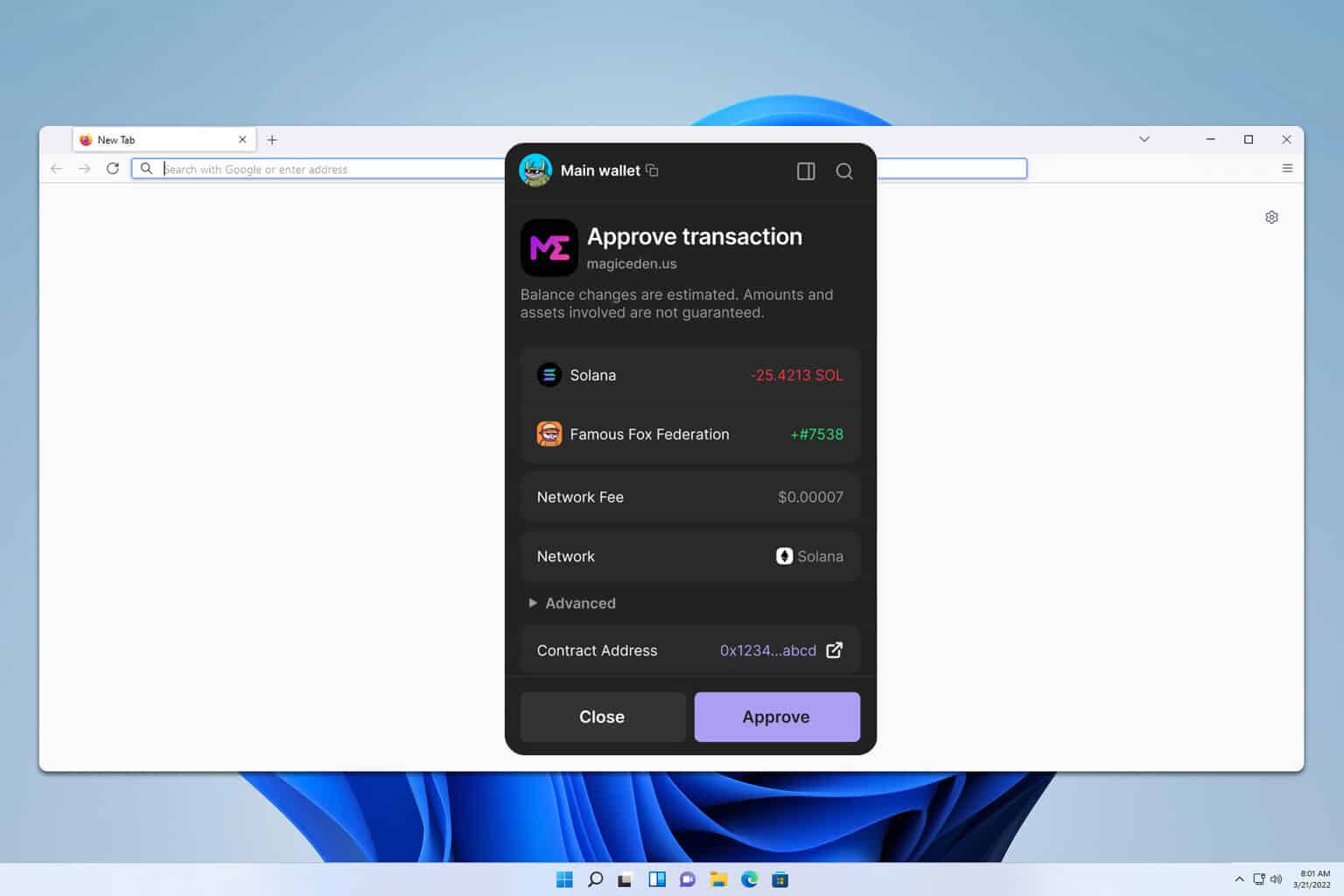
Why browser extension wallets matter for NFTs
NFTs aren’t like fungible tokens. They need previews, metadata, and sometimes lazy minting flows that depend on the wallet to show images and verify ownership. So the wallet being a browser extension changes the game because it sits right where the marketplaces live—your browser. Here’s the thing. When you’re flipping collectibles on secondary markets you don’t want to be juggling mobile wallets, QR codes, and copy-paste addresses. You want a fast popup that signs calmly and securely.
I’m biased, but the flow matters more than flashy features. (oh, and by the way…) If a wallet makes you click through twelve prompts just to view metadata, you’ll stop using it. I learned that the hard way—lost a bid because I fumfered with confirmations. My bad.
Phantom nails many of those flow problems. It injects directly into web pages, recognizes token metadata, and displays art thumbnails in the UI so you feel like you’re actually handling collectibles. Initially I thought that was fluff, but then I sold an NFT faster because I could confirm the sale immediately from the extension. That moment felt like magic.
Installation and setup — keep it safe
Download from the official source only. Really. There are fakes out there. If you need a quick place to start, get the official phantom wallet extension here: phantom wallet. Short sentence. Now breathe.
Okay, so check this out—after installing, seed phrase handling is the tightest security step. Don’t store your phrase in cloud notes. Don’t take a screenshot. My gut told me that storing it locally is safer, and in my setup I use an encrypted hardware device for the seed. On the other hand, many hobbyists keep a cold backup on paper, and that’s valid too—though honestly, paper can be lost or damaged.
Here’s a tip that bugs me when people skip: set a strong password for the extension and enable any biometric unlock your browser supports. It adds another layer without slowing you down. Also, export your public addresses for marketplaces; it’s handy and not a security risk.
Day-to-day use with NFTs
Using Phantom for NFTs is—mostly—smooth. When a marketplace asks for a signature, Phantom pops up with clear info about what you’re signing. This is crucial because signatures can authorize transfers or actions beyond a simple sale. My instinct said trust the UI, but then I learned to read the signature details. On one hand the UI abstracts complexities nicely though actually you should still glance at the transaction summary.
Something felt off about some listings where metadata didn’t load. That’s a marketplace issue, not the wallet. Still, a good wallet will show you as much as it can and gracefully handle missing images. Phantom’s NFT gallery gives a nice snapshot, and the extension caches art so you’re not staring at broken links if the host is slow.
Transaction speed on Solana is a major perk. Fees are tiny. That changes behavior—people make micro-transactions and experiment more. I made a few low-cost purchases just to test royalties and the results were clear: fast confirmations mean fewer lost opportunities.
Security trade-offs and best practices
Okay, quick reality check. No extension is risk-free. Extensions have privileged access to the pages you visit, and that can be abused by malicious sites. So I use a separate browser profile dedicated to crypto activity. It’s a little extra effort, but it reduces risk. I’m not 100% sure everyone needs to do that, though it helped me avoid cross-site issues when testing shady marketplaces.
On one hand hardware wallets add protection. On the other hand they can be annoying for daily low-fee trades. A compromise: keep high-value assets on a hardware-compatible wallet and use Phantom for frequent interactions. That hybrid approach has saved me some gray hairs.
And hey—phishing is everywhere. Double-check domain names and never approve transaction prompts you didn’t expect. If something asks for collection-wide approvals, pause. Seriously, take the time to revoke approvals periodically from the settings or via a contract-approval manager.
Advanced tips for collectors and creators
If you’re a creator minting collections, Phantom’s dev tools and integration with Solana dev kits help speed up workflows. There’s an initial learning curve. Initially I thought all publishing problems were on the contract side, but then I realized that wallet metadata handling and off-chain storage are equally important.
Want faster listing? Pre-sign approvals where safe, but don’t grant sweeping allowances to unknown contracts. Consider lazy-mint strategies if you want to reduce upfront costs for buyers, but plan metadata hosting carefully—immutable URIs and decentralized storage reduce long-term risk of broken art links.
For collectors: use the gallery to audit provenance and consider setting up alerts for secondary listings of specific creators. It’s not built-in everywhere, but combining Phantom with a small toolkit and a watchlist is very effective. I’m a bit old-school and keep a spreadsheet for high-value items. Old habits die hard.
FAQ
Is Phantom safe for NFTs?
Yes, when used properly. Phantom implements robust security for private keys and signatures, but you must avoid phishing sites, use strong local protection, and consider hardware backups for high-value holdings. Also practice cautious approval habits—don’t blindly sign everything.
Can I use Phantom on multiple browsers?
Yes. Phantom supports Chromium-based browsers and some others, but install only from the official source and use separate profiles for added security. Syncing keys across devices should be done via secure seed management, not cloud backups.
What if my NFT metadata goes missing?
Metadata loss happens if the storage host fails. If the collection used decentralized storage like Arweave or IPFS it’s more resilient. If not, contact the creator or marketplace and check archived metadata where possible. Regular backups of token URIs help collectors avoid surprises.
Evaluate Safety and Security Measures of Popular Online Casino Sites Using a Comprehensive Framework
In the rapidly expanding world of online gambling, ensuring the safety and security of players’ data and funds is paramount. As players seek entertainment and potential winnings, their trust hinges on the robustness of a platform’s security measures. This article provides an in-depth analysis of the key security frameworks employed by leading online casinos, offering practical insights into how these platforms protect user information, verify identities, and prevent fraud. By understanding these mechanisms, both operators and players can make informed decisions, fostering a safer online gambling environment.
Contents
Assessing Encryption Protocols Used by Leading Online Casinos
How do SSL/TLS encryption standards protect player data?
Secure Sockets Layer (SSL) and Transport Layer Security (TLS) protocols are foundational to safeguarding data transmitted between players’ devices and online casino servers. These encryption standards create a secure “ciphered” connection that prevents unauthorized interception. When a player logs into an online casino, their login credentials, payment details, and personal information traverse the internet encrypted using SSL/TLS, ensuring confidentiality and integrity.
Modern SSL/TLS standards leverage advanced cryptographic algorithms such as AES (Advanced Encryption Standard) for data encryption and RSA for key exchange. This cryptographic combination ensures that even if data packets are intercepted, deciphering them without the appropriate decryption keys is virtually impossible. According to recent industry reports, over 90% of reputable online gambling platforms have adopted TLS 1.2 or 1.3, which include enhancements like forward secrecy and improved handshake mechanisms, further strengthening data protection.
Implementation of advanced encryption algorithms in secure data transmission
Leading online casinos employ encryption algorithms like AES-256, recognized for its strength and efficiency. This symmetric encryption standard secures vast amounts of sensitive data, including account information and transaction records. For example, Betway and 888 Casino utilize AES-256 in combination with TLS protocols, ensuring end-to-end encryption.
The encryption process involves generating session keys during the initial handshake, which are then used to encrypt subsequent data exchanges. This method not only protects data during transmission but also minimizes computational overhead, enabling real-time gaming and transactions without compromising security.
Real-world examples of encryption breaches and lessons learned
Despite widespread use of encryption, past incidents have highlighted vulnerabilities. In 2014, the Heartbleed bug in OpenSSL exposed sensitive information for numerous websites, including some online gambling platforms. The breach underscored the importance of timely security updates and rigorous vulnerability management.
Another example involved a cryptojacking attack on a major casino platform in 2019, where malicious actors exploited outdated encryption protocols to infiltrate systems. This event emphasized the necessity for continuous monitoring, patch management, and adopting the latest encryption standards like TLS 1.3, which addresses known vulnerabilities.
Comparison of SSL/TLS versions adopted across popular platforms
| Platform | SSL/TLS Version | Security Features | Adoption Status |
|---|---|---|---|
| Betway | TLS 1.3 | Forward Secrecy, Reduced Handshake Time | Full Adoption |
| 888 Casino | TLS 1.2 | Robust Encryption, Compatibility | Complete Implementation |
| PartyCasino | TLS 1.2 | Enhanced Security Features | Widely Used |
| Betfair | TLS 1.3 | Improved Performance, Security | Transitioning Phase |
As the table indicates, most top-tier platforms have transitioned to TLS 1.2 or 1.3, with the newer versions offering enhanced security and performance benefits. Continuous upgrades are vital to stay ahead of emerging threats.
What authentication methods ensure user identity verification?
Role of two-factor authentication and biometric logins in security
Authentication mechanisms verify that the individual attempting to access an account is genuinely the owner. Two-factor authentication (2FA) adds an extra layer by requiring users to provide two forms of identity: typically a password plus a unique code sent via SMS or generated by an authenticator app. Biometrics, such as fingerprint or facial recognition, have emerged as highly secure and user-friendly options. For more insights on secure online platforms, you might find the <a href=”https://corgibetcasino.eu”>corgibet casino</a> helpful.
For example, LeoVegas implements 2FA for deposits and withdrawals, significantly reducing account hacking risks. Similarly, some platforms like 888 Casino integrate biometric authentication via mobile devices, enabling quick and secure logins that underpin user trust.
Impact of biometric verification on user trust and safety
Biometric authentication enhances user confidence by making unauthorized access considerably more difficult. It reduces reliance on traditional passwords, which are vulnerable to theft or guessing. As a result, players feel more secure, leading to higher engagement and satisfaction.
Studies show that biometric verification can reduce account takeover incidences by up to 60%. Platforms utilizing biometric methods also signal a commitment to safeguarding user data, fostering a stronger relationship between operators and players.
Challenges in implementing multi-factor authentication seamlessly
Despite its advantages, integrating multi-factor authentication (MFA) can present usability challenges. Users may find additional steps inconvenient, potentially leading to abandoned sessions if the process is cumbersome. Balancing security with user experience involves implementing MFA methods that are both secure and intuitive, such as biometric authentication on mobile devices.
Moreover, technical hurdles like device compatibility, server synchronization, and ensuring minimal latency need addressing. Leading casinos mitigate these concerns by offering optional MFA and educating users about its importance, often with step-by-step guides.
Evaluating Payment Security and Fraud Prevention Strategies
Use of secure payment gateways and tokenization techniques
Payment security is critical for protecting player funds and sensitive financial data. Leading online casinos employ secure payment gateways that adhere to Payment Card Industry Data Security Standard (PCI DSS). These gateways use tokenization, replacing card details with unique tokens during transactions, ensuring that the actual card data is never stored on their servers.
For instance, Microgaming-powered platforms utilize tokenization to process deposits and withdrawals efficiently, minimizing data exposure in case of breaches. This approach also simplifies compliance and enhances trust among players.
Detection and prevention of fraudulent transactions in real-time
Modern casino platforms deploy sophisticated fraud detection systems that analyze transaction patterns, device fingerprints, IP geolocation, and behavioral analytics. These systems identify anomalies indicative of fraudulent activity. When suspicious transactions are detected, they are flagged for manual review or automatically declined.
For example, some operators utilize machine learning algorithms that adapt to evolving fraud techniques, reducing false positives while maintaining high detection accuracy. Such proactive strategies prevent financial losses and protect players’ trust.
Integration of cryptocurrency payments and associated security measures
The rise of cryptocurrencies like Bitcoin and Ethereum has introduced new security considerations. Popular platforms integrating cryptocurrencies implement measures such as multi-signature wallets, cold storage, and blockchain transaction monitoring to mitigate risks. Multi-signature wallets require multiple approvals for fund transfers, preventing unauthorized access if a private key is compromised.
Additionally, transparent blockchain transactions allow for audit trails, but platforms ensure that private keys are stored securely offline (cold storage). These strategies balance user privacy with robust security protocols, enabling safe participation in crypto-based gambling.

